













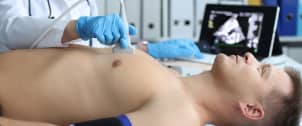
















Why Primary Care CME Matters
Primary Care Continuing Medical Education (CME) keeps clinicians informed on evolving guidelines across preventive care, chronic disease management, and acute care. Primary Care CME in 2026 improves patient outcomes, supports licensure requirements, and strengthens multidisciplinary collaboration.
-
 Stay Current with Broad Clinical Guidelines
Primary care CME provides updates across preventive care, chronic disease management, mental health, women's health, and acute care. Clinicians stay informed about new screening recommendations and diagnostic tools, strengthening their ability to deliver comprehensive, patient-centered care.
Stay Current with Broad Clinical Guidelines
Primary care CME provides updates across preventive care, chronic disease management, mental health, women's health, and acute care. Clinicians stay informed about new screening recommendations and diagnostic tools, strengthening their ability to deliver comprehensive, patient-centered care.
-
Maintain Certification and Licensure
Accredited programs support MOC requirements for physicians, nurses, and PAs while awarding AMA PRA Category 1 Credits™. Efficient reporting tools streamline compliance, ensuring high-quality, standardized care across primary care settings.
-
Enhance Clinical Competence and Patient Outcomes
Case-based education improves clinicians' ability to manage common conditions including hypertension, diabetes, COPD, and depression. CME provides actionable strategies for early diagnosis, effective treatment planning, and ongoing patient management, resulting in improved health outcomes.
-
Learn Anytime, Anywhere
Online CME, virtual summits, and in-person primary care conferences provide flexible learning opportunities. Interactive cases and practical workshops enable hands-on learning and continuous education without interrupting clinical workflow.
-
Connect and Collaborate
Primary care conferences bring together multidisciplinary professionals to share insights and best practices. National events foster collaboration across family medicine, internal medicine, pediatrics, and nursing, strengthening care coordination and continuity.