























Why Emergency Medicine CME Matters
Emergency Medicine Continuing Medical Education (CME) helps clinicians stay current with the latest advancements in acute care, resuscitation, and emergency procedures. Whether working in an ED, trauma center, or urgent care setting, Emergency Medicine CME in 2026 supports improved clinical readiness, fulfills professional requirements, and strengthens connections within the emergency care community.
-
 Stay Current with Emergency Care Best Practices
CME ensures clinicians remain up to date with evolving guidelines in trauma care, acute management protocols, resuscitation standards, disaster response, and emergency procedures. Courses cover advances in critical-care diagnostics, new protocols for sepsis, stroke, cardiac arrest, and mass-casualty response. Staying current enables emergency clinicians to deliver rapid, evidence-based care under pressure.
Stay Current with Emergency Care Best Practices
CME ensures clinicians remain up to date with evolving guidelines in trauma care, acute management protocols, resuscitation standards, disaster response, and emergency procedures. Courses cover advances in critical-care diagnostics, new protocols for sepsis, stroke, cardiac arrest, and mass-casualty response. Staying current enables emergency clinicians to deliver rapid, evidence-based care under pressure.
-
Maintain Certification and Licensure
Accredited CME activities support board certification maintenance and state licensing requirements for emergency medicine physicians. They provide AMA PRA Category 1 Credits™ and facilitate streamlined reporting for credentialing bodies. Regular CME participation demonstrates commitment to high-quality, up-to-date emergency care.
-
Enhance Clinical Competence and Patient Outcomes
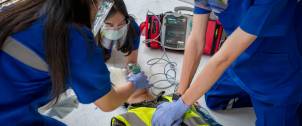
Case-based and simulation-driven CME enhances clinicians’ readiness to handle high-stakes, time-sensitive conditions such as trauma, cardiac arrest, respiratory failure, stroke, and toxicology emergencies. Updated training improves diagnostic accuracy, procedural skills, and decision-making under stress. This leads to safer interventions and better patient outcomes in critical situations.
-
Learn Anytime, Anywhere
Flexible CME formats - including online modules, virtual simulation sessions, and hands-on in-person workshops or conferences allow busy emergency clinicians to learn without disrupting shift schedules. Interactive courses, scenario-based learning, and practical skill labs make CME accessible and relevant to real-world emergency practice.
-
Connect and Collaborate
Emergency medicine conferences and CME events bring together ER physicians, critical-care specialists, paramedics, and disaster-response teams. These gatherings facilitate knowledge sharing, discussion of best practices, and collaborative strategies for improving emergency care systems. Networking through CME supports peer learning, mentorship, and collective clinical excellence.