

























Why Orthopedics CME Matters
Orthopedics Continuing Medical Education (CME) ensures clinicians stay current with advances in musculoskeletal care, surgical techniques, and rehabilitation. Orthopedics CME in 2026 improves clinical performance, fulfills professional requirements, and strengthens collaboration in orthopedic practice.
-
 Stay Current with Musculoskeletal Advances
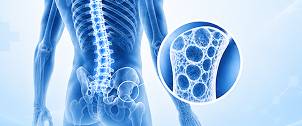
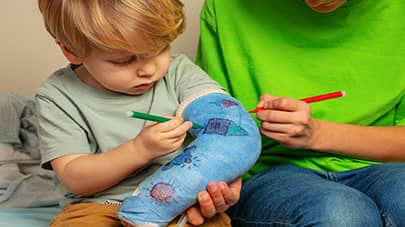
CME provides updates on fracture management, regenerative medicine, joint replacement innovations, and sports injury care. Clinicians stay informed on new surgical techniques and rehabilitation strategies, ensuring optimal musculoskeletal care across diverse patient populations.
Stay Current with Musculoskeletal Advances
CME provides updates on fracture management, regenerative medicine, joint replacement innovations, and sports injury care. Clinicians stay informed on new surgical techniques and rehabilitation strategies, ensuring optimal musculoskeletal care across diverse patient populations.
-
Maintain Certification and Licensure
Programs support ABOS MOC requirements and state CME mandates. Accredited courses include AMA PRA Category 1 Credits™ and easy-to-manage reporting tools. Maintaining certification affirms surgical and clinical excellence.
-
Enhance Clinical Competence and Patient Outcomes
Case-driven CME refines skills in diagnosing and managing orthopedic injuries, arthritis, and spine disorders. Clinicians gain practical insights to improve surgical planning and post-operative care, leading to faster recovery and better patient outcomes.
-
Learn Anytime, Anywhere
Online CME, virtual labs, and in-person orthopedic conferences offer flexible learning. Many programs feature surgical demonstrations and hands-on sessions, helping clinicians stay sharp and confident.
-
Connect and Collaborate
Events like AAOS conferences provide opportunities to meet specialists, review emerging research, and share case experiences. Collaboration drives continuous improvement in orthopedic practice.