Obesity: Etiology, Prevention and Treatment (including ABOM exam review)

 Webcast
 38.25 CME ...
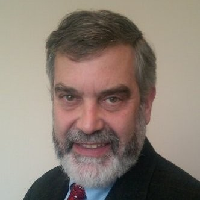

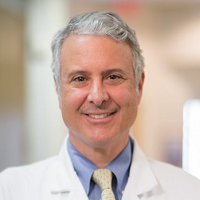
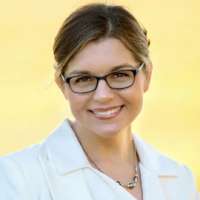
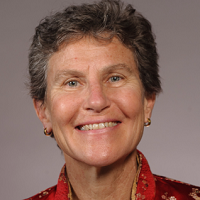
OVERVIEW
Obesity: Etiology, Prevention, and Treatment (including ABOM exam review) is organized by Columbia University Vagelos College of Physicians and Surgeons (VP&S). This course will be an online activity.
Date:
Wednesday, April 22, 2020, to Friday, April 30, 2021.
Accreditation
Credit Designation Statement:
The Columbia University Vagelos College of Physicians and Surgeons designates this live activity for a maximum of 38.25 AMA PRA Category 1 Credits™. Physicians can earn the credit commensurate with the extent of their participation in the activity.
On Successful completion of this CME activity, a participant will be able to apply for the evaluation component, enabling the participant to gain up to 38.25 MOC points in the American Board of Internal Medicine’s (ABIM) Maintenance of Certification (MOC) program. Participants will receive MOC points commensurate to the amount of CME credits claimed for the activity. It is the CME activity provider’s responsibility to submit participant completion information to the ACCME for the purpose of granting ABIM MOC credit.
Successful completion of this CME activity, which includes participation in the activity, with individual assessments of the participant and feedback to the participant, enables the participant to earn 38.25 MOC points in the American Board of Pediatrics’ (ABP) Maintenance of Certification (MOC) program. It is the CME activity provider’s responsibility to submit participant completion information to ACCME for the purpose of granting ABP MOC credit.
Program Overview:
Lifestyle behaviors – including diet, physical inactivity, alcohol abuse, and tobacco use – have been connected to an enhanced risk of the leading causes of death and chronic diseases in the US and around the world. The challenge of reversing the obesity epidemic has highlighted the need for new ways to teach complex skill sets that effectively target lifestyle behaviors, particularly diet and physical activity. However, most health professionals (with the exception of registered dieticians) have little or no training in the science of nutrition, diet, and physical activity. Moreover, health professionals lack training in facilitating behavior change. Many, in fact, do not engage in nutrition counseling at all.
The American Board of Obesity Medicine (ABOM), along with the National Board of Medical Examiners (NBME), has established a credentialing protocol, which comprises an exam for physicians to become certified in the field of obesity medicine. The Institute of Human Nutrition (IHN) at Columbia University is an ABOM Partner Organization; the IHN now offers its long-standing obesity course to prepare physicians for the ABOM exam and to present CME credits to assist physicians meet the specifications to become a Diplomate of the ABOM.
Topic Highlights:
• The Epidemiology and Health Risks of Obesity, Louis Aronne, MD1
• Genetics of Obesity: Nature Meets Nurture, Rudy Leibel, MD
• Epigenetics and the Development of Obesity, Lori Zeltser, PhD
• White, Brown, Beige Adipose Tissue, Marc Reitman, MD, PhD
• Carbs, Calories, or Quality: What matters most for bodyweight?, Kevin Hall, PhD
• Metabolic Changes with Weight Loss, Michael Rosenbaum, MD
• Adipose Tissue, Inflammation and Other Underlying Causes of Obesity-Associated Complications, Caroline Apovian1, MD and Barbara Corkey, PhD
• Rethinking Food Reward, Dana Small, PhD
• From Brain to Bedside: How Neuroscience Informs Clinical Care for Patients with Obesity, Ellen Schur, MD
• Physical Activity and Weight Loss and Maintenance of Weight Loss, John Jakicic, PhD
• Losing and Regaining Weight: Do the Benefits of the Losses Outweigh the Consequences of Regain?, Steven Heymsfield, MD
• Microbiome and Energy Balance, Eamonn Quigley, MD
• Nutrient Metabolism and Obesity, Special Considerations after Bariatric Surgery, Jeffrey Mechanick, MD
• Metabolic Effects of Bariatric Surgery and What They Teach Us About Appetite Regulation, Jamie Mullally, MD1
• Past and Present Challenges in Childhood Obesity, Sandra Hassink, MD
• Chronic Stress and Obesity, Rajita Sinha, PhD
Learning Objectives
Upon completion of this Online CME course, participants will be better able to:
• Know the influence of weight bias on the care of people with obesity.
• Explain the complexity of the development and treatment of obesity.
• Employ best practice approaches to the prevention and treatment of pediatric obesity.
• Recognize, classify, and define relevant treatment approaches for people with obesity, including lifestyle, advanced pharmacological approaches, and bariatric surgery.
• Generate treatment plans for people with obesity that involve motivational interviewing, behavior modification, and nutrition and physical activity plans.
• Combine stress management and sleep hygiene into the evaluation and treatment of people with obesity.
ACCREDITATION & CREDITS


SPECIALITIES
NutritionEndocrinologyEpidemiologyRELATED ONLINE COURSES

Quick Links