The 17th Biennial Strandness Symposium is organized by Behind The Scenes and will be held from Mar 20 - 24, 2022 at Hyatt Regency Maui Resort And Spa, Lahaina, Hawaii, United States of America.
Target Audience:
This activity has been designed to meet the educational needs of vascular surgeons, cardiologists, radiologists, vascular medicine specialists, fellows, nurses and other allied health professionals.2022
Description:
The biennial Strandness Symposium provides a comprehensive review and update on diagnostic and therapeutic approaches to vascular disease. The symposium continues to emphasize the themes of Dr. D. Eugene Strandness’ life work and legacy. Join us in the tranquil island of Maui, Hawaii for 4 days of lectures, case presentations, and workshops taught by a faculty of expert physicians and sonographers.
Learning Objectives:
Upon completion of this activity, the learner should be able to:
• Discuss the interpretation criteria for carotid duplex scanning and the impact on patient.
• Explain how to develop a quality assurance program for the vascular laboratory.
• Discuss the role of medical therapy vs. surgical intervention for asymptomatic carotid disease.
• Describe recent advances in vascular testing and endovascular interventions for trauma.
• Incorporate duplex scanning into a follow-up imaging program for patients having EVAR.
• Discuss the guidelines for managing visceral artery aneurysms.
• Use the latest evidence-based guidelines for management of venous thromboembolism.
• Recognize the importance of technical protocols for venous reflux testing.
• Outline the current options for treatment of varicose veins.
• Discuss the classification, diagnosis and management of pelvic disorders.
• Use duplex scanning for pre-dialysis access mapping and assessment of dialysis access maturation.
• Define the role of the vascular laboratory in the management of critical limb ischemia.
• Discuss the “optimal medical management” for peripheral artery disease.
• Describe the indications for treating restenosis after peripheral artery interventions.
• Explain how to recruit and retain vascular monographers and address issues around diversity, equity and inclusion in the vascular laboratory.
• Describe the features of normal and abnormal Doppler waveforms using the latest terminology.
• Discuss the management of complex aortic aneurysms with open surgical repair and endovascular devices.
Course Directors:
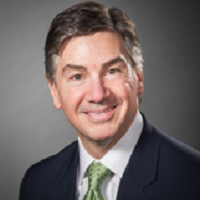
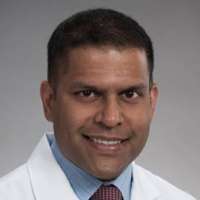
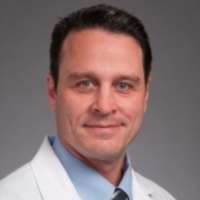
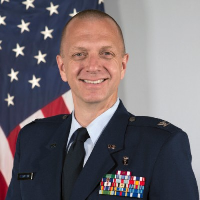
David L. Dawson, M.D., RVT, RPVI | Baylor, Scott & White Health | Temple, TX
R. Eugene Zierler, M.D., RPVI | University of Washington Medical Center | Seattle, WA
The Strandness Symposium

 In-Person Event
 Mar 20 - 24, 2022
 Lahaina, Hawaii, USA
 34 AMA PRA Category 1 Credits™
 OVERVIEW
KEY DATES

20 Mar, 2022
Event Start Date

24 Mar, 2022
Event End Date
ACCREDITATION & CREDITS

TARGET AUDIENCE
PhysicianMedical TechnologistCardiologistsClinical FellowStudentsRadiologistsVascular SurgeonHealthcare ProfessionalsGenetics of Heart Vascular DiseaseNursesSPECIALITIES
Vascular DiseaseSUGGESTED HOTELS
CONFERENCE VENUE
Hyatt Regency Maui Resort And SpaQuick Links