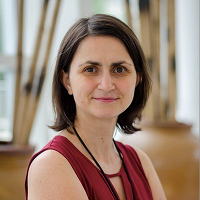
Zdravka Veleva MD, PhD
Obstetrics and Gynecology
Helsinki, Uusimaa, Finland
Connect with the speaker?
Zdravka Veleva is a clinician with a versatile background and interest in reproductive epidemiology, ovarian stimulation and embryo quality. She is the outgoing Junior Deputy of the Special interest group (SIG) Safety and Quality in ART. Zdravka has expertise in organising scientific educational events for a wide range of audiences: with her home SIG together with SIG Socio-cultural aspects of infertility and the European IVF Monitoring group (Helsinki Campus Course on differences in practices and treatment results between European countries); with IFFS (miniworkshop in Bulgaria, 2006); with the Bulgarian Association of Sterility and Reproductive Health (conferences and workshops in 2000-2002). Zdravka was a member of the National Organising Committee of ESHRE’s annual meeting in Helsinki in 2016.She was also chosen to participate in the first ESHRE session at this year’s congress of the Indian Society for Assisted Reproduction. Multifaceted health care expertise Zdravka worked for two years as Expert of the Health Commission of the Parliament of Bulgaria (2001-2002) before moving to Finland to concentrate on research work. She is currently involved with the ongoing EUROGTP II project, which aims to unify innovation and patient follow-up procedures across the European Union. Zdravka’s research work includes building the largest Finnish infertility database and working with the IVF team of the Centers for Disease Control and Prevention in the United States to develop a way of comparing ovarian stimulation quality and outcomes in clinics and countries with differing practices.Through her work in Europe’s largest delivery hospital Kätilöopisto (Helsinki), Zdravka is also very acquainted with all obstetric complications that arise after a successful infertility treatment. She would like to see complications brought to a minimum through more effective IVF treatment. Media Zdravka’s study showing that routine practice of elective single embryo transfer is clinically effective and also less expensive for the patient was noted in over 200 news releases, including an interview by TIME in 2009. Zdravka would like to continue with ongoing projects at the SIG that aim to improve the quality of treatment by promoting dialogue between different groups of IVF specialists (clinicians, embryologists, reproductive epidemiologists) and working environments (East vs. West, North vs. South, Europe vs. other continents).Zdravka is also very acquainted with all obstetric complications that arise after a successful infertility treatment. She would like to see complications brought to a minimum through more effective IVF treatment. Media Zdravka’s study showing that routine practice of elective single embryo transfer is clinically effective and also less expensive for the patient was noted in over 200 news releases, including an interview by TIME in 2009. Zdravka would like to continue with ongoing projects at the SIG that aim to improve the quality of treatment by promoting dialogue between different groups of IVF specialists (clinicians, embryologists, reproductive epidemiologists) and working environments (East vs. West, North vs. South, Europe vs. other continents).Zdravka is also very acquainted with all obstetric complications that arise after a successful infertility treatment. She would like to see complications brought to a minimum through more effective IVF treatment. Media Zdravka’s study showing that routine practice of elective single embryo transfer is clinically effective and also less expensive for the patient was noted in over 200 news releases, including an interview by TIME in 2009. Zdravka would like to continue with ongoing projects at the SIG that aim to improve the quality of treatment by promoting dialogue between different groups of IVF specialists (clinicians, embryologists, reproductive epidemiologists) and working environments (East vs. West, North vs. South, Europe vs. other continents).She would like to see complications brought to a minimum through more effective IVF treatment. Media Zdravka’s study showing that routine practice of elective single embryo transfer is clinically effective and also less expensive for the patient was noted in over 200 news releases, including an interview by TIME in 2009. Zdravka would like to continue with ongoing projects at the SIG that aim to improve the quality of treatment by promoting dialogue between different groups of IVF specialists (clinicians, embryologists, reproductive epidemiologists) and working environments (East vs. West, North vs. South, Europe vs. other continents).She would like to see complications brought to a minimum through more effective IVF treatment. Media Zdravka’s study showing that routine practice of elective single embryo transfer is clinically effective and also less expensive for the patient was noted in over 200 news releases, including an interview by TIME in 2009. Zdravka would like to continue with ongoing projects at the SIG that aim to improve the quality of treatment by promoting dialogue between different groups of IVF specialists (clinicians, embryologists, reproductive epidemiologists) and working environments (East vs. West, North vs. South, Europe vs. other continents).including an interview by TIME in 2009. Zdravka would like to continue with ongoing projects at the SIG that aim to improve the quality of treatment by promoting dialogue between different groups of IVF specialists (clinicians, embryologists, reproductive epidemiologists) and working environments (East vs. West, North vs. South, Europe vs. other continents).including an interview by TIME in 2009. Zdravka would like to continue with ongoing projects at the SIG that aim to improve the quality of treatment by promoting dialogue between different groups of IVF specialists (clinicians, embryologists, reproductive epidemiologists) and working environments (East vs. West, North vs. South, Europe vs. other continents).
EVENTS & ACTIVITIES (Speaking, Spoken, and Authored)


Quick Links
Connect With Us


Awards & Recognitions

- 50 Division Street, Suite 501,
- Somerville, NJ 08876
- support@emedevents.com