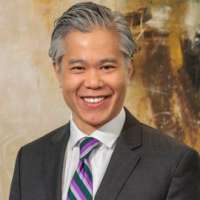
Richard Carvajal MD
Medical Oncology
Lake Success, New York, United States of America
Connect with the speaker?
Richard Carvajal, MD, is the R. J. Zuckerberg Chair in Medical Oncology, professor of medicine at the Donald and Barbara Zucker School of Medicine at Hofstra/Northwell, and a world leader and pioneer in melanoma research and early phase drug development. As deputy physician-in-chief and director of hematology and medical oncology at the Northwell Cancer Institute, Dr. Carvajal leads all hematology and medical oncology programs across Northwell's cancer network, the largest in New York State.
At Northwell, we see over 20,000 patients with new cancer diagnoses each year, Dr. Carvajal says. This gives us both the enormous responsibility as well as an incredible opportunity to provide the very best cancer care to each of these patients and their loved ones. With our outstanding faculty members working in comprehensive, multidisciplinary cancer centers throughout New York and Connecticut, we are able to provide this care for our patients in the comfort of their own neighborhoods, without the need to travel for cutting-edge cancer care.
Dr. Carvajal's research is based at Northwell's Feinstein Institutes for Medical Research and Cold Spring Harbor Laboratory, where he is an associate clinical member of the Cold Spring Harbor Laboratory Cancer Center. He sees patients at R.J. Zuckerberg Cancer Center in Lake Success and at Manhattan Eye, Ear & Throat Hospital. He is an investigator of START Center for Cancer Research, renowned for being the largest global network of fully dedicated, early-phase oncology clinical trial programs.
Dr. Carvajal received his medical degree from the NYU Grossman School of Medicine. His interest in pursuing a career in oncology was sparked during his residency at the University of Michigan Medical Center, when he worked with cancer patients and saw firsthand the close relationships they developed with their oncologists. Additionally, he was excited by the progress being made in cancer treatments at the time. A lot of the breakthroughs targeted therapy, precision oncology, and immune-oncology were really taking shape, he says. The ability to develop newer, more effective, and better-tolerated therapies for cancer patients really appealed to me.
EVENTS & ACTIVITIES (Speaking, Spoken, and Authored)
15th Annual International Symposium on Melanoma and Other Cutaneous Malignancies
 In-Person Event
 Oncology ...
 Feb 09, 2019
 New York City, New York, USA
36th Annual Chemotherapy Foundation Symposium (CFS)
- In-Person Event
- Oncology ...
- Nov 07 - 09, 2018
- New York, New York, USA
14th Annual International Symposium on Melanoma and Other Cutaneous Malignancies
- In-Person Event
- Oncology ...
- Feb 10, 2018
- New York City, New York, USA
21st Annual NOCR Meeting: Updates in Clinical Oncology
- In-Person Event
- Oncology
- Mar 13 - 14, 2015
- Las Vegas, Nevada, USA

Connect With Us


Awards & Recognitions
- 50 Division Street, Suite 501,
- Somerville, NJ 08876
- support@emedevents.com