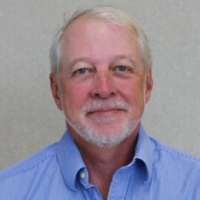
Paul F. Lambert PhD
Biochemistry and Molecular Genetics
Madison, Wisconsin, United States of America
Connect with the speaker?
Dr. Paul Lambert is the Howard M. Temin Professor and Chair of Oncology in the McArdle Laboratory at UW with active NCI funding (P01 and R01 that focuses on the role of human papillomaviruses (HPV) in human cancer. Dr. Lambert is internationally recognized for his many contributions to understanding the role of HPV oncogenes in cancer through the use of genetically engineered mice. Notable contributions include defining the individual and temporal roles of HPV oncogenes E5, E6, and E7 in cancer; identifying mechanisms of action by which these viral oncogenes cause cancer; and defining the role of estrogen and its receptor in cervical carcinogenesis.
Of direct relevance to this HN SPORE, Dr. Lambert developed the first mouse model for HPV-induced HNC to help define mechanisms of action for HPV-16 E6 and E7 oncogenes, as well as the importance of host genes/pathways. The Lambert Lab recently demonstrated that mice deficient in the Fanconi Anemia (FA) DNA damage repair pathway have increased susceptibility to HPV-induced HNCs, paralleling that of FA patients. The Lambert Lab also defined the importance of HPV-16 E7’s inactivation of the tumor suppressor pRb and the related pocket protein p107 in promoting HNC.
The experience and knowledge gained by Dr. Lambert in developing genetically engineered mouse models for HPV-associated cancers, including HNC, will be key to his accomplishing the goals of Project 1. Dr. Lambert will also utilize his research expertise to serve Dr. Paul Harari in fostering inter- and transdisciplinary collaboration and coordination of the translational activities of this SPORE. Dr. Lambert is the principal investigator on three NIH research grants, edits the journal Virology, and serves as associate editor of PLOS Pathogens. He has served on many national and international study sections, panels, and advisory groups, and he has lectured and served as a visiting professor at many institutions.
EVENTS & ACTIVITIES (Speaking, Spoken, and Authored)


Connect With Us


Awards & Recognitions

- 50 Division Street, Suite 501,
- Somerville, NJ 08876
- support@emedevents.com