Nasal Decolonization and Infection Prevention: Application and Evidence


Faculty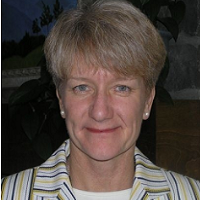
OVERVIEW
Nasal Decolonization and Infection Prevention: Application and Evidence is organized by Skillacquire and will be held on Apr 11, 2019.
Suggested Attendees:
• Physician
• Physician Assistants
• Nurses
• Nurse Practitioners
• Infection Prevention Professionals
• Healthcare Staff
Description:
MRSA (Methicillin-Resistant Staphylococcus Aureus) infections are associated with significant morbidity, patient and family suffering and costs. One Neonatal Intensive Care Unit (NICU) MRSA infection has been estimated to cost as much as $27,540. Staphylococcus aureus (S. aureus) which is a common part of human nasal flora, continues to be a leading cause of outbreaks and health-care-associated infections in neonatal intensive care units. Studies have reported that nasal and skin decolonization has reduced MRSA infections and associated healthcare.
Colonization of the nasal passage with MRSA increases the risk of infection to the patient and transmission to other patients on the hands and equipment of healthcare workers. The presentation will detail the costs and challenges of the current approach of nasal screening patients and then placing them in isolation or contact precautions. In addition, an alternative approach called universal decolonization will be described in detail.
In this webinar, expert Sue Barnes will also review the risk of MRSA Colonization to patients and describe the current practice of nasal screening and isolation for MRSA colonized patients. The products used for decolonization will also be discussed.
Areas Covered in the Session:
• Epidemiology of MRSA and Staph aureus infections in healthcare
• Primary reservoir for MRSA and Staph aureus
• Infection prevention applications for nasal decolonization
• Nasal decolonizing agents
• Skin decolonizing agents
• Universal and targeted decolonization
• Decolonization vs contact precautions for MRSA colonized patients
• Live Q&A Session
Learning Objectives:
After attending this session, attendees will be able to:
• Describe the risks MRSA nasally colonized patients represent to themselves and others.
• List two limitations of current screen and isolation programs.
• Describe the benefits of universal decolonization vs screen and treat approaches.
• Know about the products used for decolonization
Can’t Listen Live?
No problem. You can get access to On-Demand webinar. Use it as a training tool at your convenience.
For more information you can reach out to below contact:
Toll-Free No: 1-302-444-0162
Email: support@skillacquire.us
SPECIALITIES
Infectious DiseaseHealthcare ManagementRELATED ONLINE COURSES
By eMedEd, Inc.
Mar 04, 2025 - Nov 30, 2026 | Webcast
State required course for Connecticut ...
1 AMA PRA Category 1 Credit™
...
...

Quick Links