Medical Crossfire®: How Can Liquid Biopsies Drive Precision Care in Frontline NSCLC?

 Webcast
 1.5 CME
 Faculty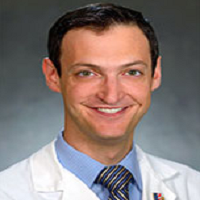


OVERVIEW
Medical Crossfire®: How Can Liquid Biopsies Drive Precision Care in Frontline non-small cell lung cancer (NSCLC)? is organized by Physicians' Education Resource, LLC (PER).
Release Date: January 31, 2020
Expiration Date: January 31, 2021
Accreditation:
Physicians’ Education Resource®, LLC, designates this enduring material for a maximum of 1.5 AMA PRA Category 1 Credits™. Physicians should claim only the credit commensurate with the extent of their participation in the activity.
Activity Overview:
Consensus guidelines recommend universal reflex testing for oncogenic mutations in non-small cell lung cancer (NSCLC), and there are now at least 8 targetable mutations in lung cancer with more than 20 approved treatments. Optimizing testing methods to ensure patients receive targeted treatment as quickly as possible is crucial, and navigating tissue collection and testing continually evolves with emerging data regarding these options. In the frontline setting of NSCLC, clinicians must have a level of comfort with the use of short-turnaround liquid biopsy, either in combination with tissue biopsy or as the only available test when patients cannot undergo tissue biopsy. Liquid biopsy also has an important role in monitoring changes in mutational characteristics over time and guiding treatment in later lines of therapy. In this online Medical Crossfire® program, the expert panel will review the latest data regarding mutational analysis, targeted therapy, and the challenges and advantages associated with liquid biopsy testing techniques. Through panel discussion and case-based analyses, standards of care and emerging options to improve outcomes in NSCLC will be placed into clinical context to help you optimize care for your patients.
Benefits of Participating:
• Hear the latest strategies used by experts to apply liquid biopsy in the care of patients with NSCLC
• Learn when liquid biopsy should be used in practice and how this test is evolving
• Benefit from expert discussion on how to overcome challenges in applying liquid biopsy techniques to benefit your patients
Learning Objectives:
Upon successful completion of this educational activity, you should be better prepared to:
• Analyze the results of clinical studies to evaluate the strengths and limitations of this technology versus conventional tissue biopsy.
• Examine the scientific rationale for use of liquid biopsy technology to inform frontline clinical decision making in the management of lung cancer.
• Contrast available and emerging testing technology, including sensitivity, specificity, and relevance in the frontline management of NSCLC.
• Summarize clinical evidence regarding specific testing modalities to individualize targeted treatment of NSCLC in the frontline setting.
ACCREDITATION & CREDITS

SPECIALITIES
OncologyRELATED ONLINE COURSES
By i3 Health
Aug 19, 2026 - Aug 18, 2027 | Webcast
Oncology
1 AMA PRA Category 1 Credits™
...
...

By Wild Iris Medical Education, Inc.
Jun 24, 2025 - Jul 05, 2028 | Text-Based CME
Oncology
6 Contact Hours
...
...
Quick Links