Behavioral Treatments: Engaging Patients from Diagnosis to Recovery | Sharone Abramowitz, MD

 Webcast
 0.75 CME
 Faculty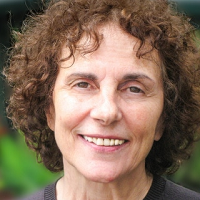
OVERVIEW
Behavioral Treatments: Engaging Patients from Diagnosis to Recovery | Sharone Abramowitz, MD is organized by California Society of Addiction Medicine (CSAM).
Course opens: 09/22/2016
Course expires: 08/24/2019
Target Audience:
• Addiction medicine specialists who want an overview of the latest developments in the field and their relevance to clinical practice.
• Primary care clinicians who want to get a better understanding of addiction and manage patients with addictions in their practice.
• Public health officials who want an understanding of the current state of addiction treatment.
• Non-physicians who are involved in the treatment of addiction.
Available Credit:
• 0.75 AMA/PRA Category 1 Credits™
• 0.75 Attendance
MOC:
This course has been approved by the American Board of Addiction Medicine (ABAM). Physicians enrolled in the ABAM Maintenance of Certification (MOC) Program can apply a maximum of 0.75 AMA/PRA Category 1 Credits™ for completing the Review Course.
Course Overview:
The following topics are covered:
• The context for behavioral treatments
• SBIRT
• DSM V diagnosis
• Stages of change
• Motivational interviewing
• Project Match
• 12-step groups
• CBT relapse prevention
• Matrix model
• Contingency management
• Mindfulness-based relapse prevention
Learning Objectives:
As a result of participating in this lecture learners should have a working knowledge of the following topics, essential to competency in addiction medicine and identify areas where more study may be needed:
• Be able to formulate an appropriate abstinence-oriented or maintenance-oriented treatment plan for a patient with a substance use disorder
• Be able to understand the need for a spectrum of treatment for substance use disorders, from screening and brief intervention to outpatient treatment, inpatient treatment, and residential treatment and understand what the evidence base is for which interventions work for which populations/drugs of abuse.
• Be able to discuss with patients and refer patients to self-help group resources and complementary/alternative health approaches for the treatment of substance use disorders
• Recognize the importance of the larger context and system of healthcare involved in substance use disorder treatment.
• Understand the role of quality management (outcome measures, satisfaction measures, performance evaluation).
• As time permits, be familiar with the ASAM Patient Placement Criteria and appropriate use of levels of care.
• Understand the importance of treatment matching, particularly with special populations.
• Be able to describe an overview of behavioral interventions, including individual psychotherapy, contingency management, milieu therapy, cognitive-behavioral therapy, etc.
• Understand the role of integration of behavioral and pharmacological treatment.
• A brief review of 12-Step Programs
• A brief review of MI
Additional details will be posted as soon as they are available.
ACCREDITATION & CREDITS

SPECIALITIES
Behavioral HealthRELATED ONLINE COURSES
By eMedEd, Inc.
Nov 11, 2024 - Dec 31, 2027 | Text-Based CME
State required course for Delaware
30 Contact Hours

By eMedEd, Inc.
Nov 11, 2024 - Dec 31, 2027 | Text-Based CME
State required course for Illinois
20 Contact Hours
Quick Links