2023 Updates in Gastroenterology & Hepatology

Date

Apr 22, 2023

Target Audience

Physician, Nursing, Pharmacist, Gastroenterologists, Hepatologists, Primary Care Physicians

Specialties

Gastroenterology, Hepatology, Allergy and Immunology

Overview

eMedEvents is organizing a webinar, 2023 Updates in Gastroenterology & Hepatology, on April 22, 2023. The webinar will provide healthcare professionals with the latest information and advancements in Gastroenterology and Hepatology. The webinar will also feature presentations from leading experts in the field, who will provide insights on the latest developments and best practices in Gastroenterology and Hepatology. Attendees will have the opportunity to learn about the latest treatments and best practices for managing digestive and liver conditions and new technologies and techniques used in these fields.

Program Agenda and Speakers

Saturday | 22 April, 2023

9:00 AM - 9:30 AM EST (30 Min)

Energy Alteration in a Patient with Chronic Pancreatitis

    Learning objectives
  • 1. To understand the definition and causes of chronic pancreatitis.
  • 2. To identify the role of energy deficiency in the five internal massive organs (Liver, Heart, Spleen, Lungs, and Kidney) in the formation of chronic pancreatitis.
  • 3. To evaluate the effectiveness of using Chinese dietary counseling, auricular acupuncture with apex ear bloodletting, and systemic acupuncture in rebalancing and replenishing the energy of internal organs to treat chronic pancreatitis.
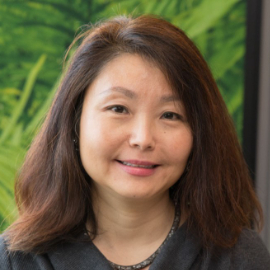
Huang Wei Ling
Franca, Sao Paulo, Brazil
9:30 AM - 10:00 AM EST (30 Min)

Prediction of Outcomes of Liver Transplant Through Machine Learning Based on Exome and Transcriptome Sequencing Data From Liver Cancer Samples

    Learning objectives
  • 1. Understand the challenges in selecting suitable patient candidates for liver transplant in hepatocellular carcinoma (HCC) due to cancer recurrence.
  • 2. Learn about the potential of using transcriptome and whole exome sequencing analyses to predict the likelihood of HCC recurrence after liver transplantation.
  • 3. Understand the use of Random Forest (RF) machine learning process in combination with transcriptome and mutation pathway analyses to develop a prediction model for HCC recurrence after liver transplantation.
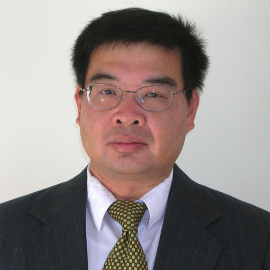
Jianhua Luo
University of Pittsburgh, USA
10:00 AM - 10:30 AM EST (30 Min)

COMPASS-like complex gene mutated pancreatic carcinoma

    Learning objectives
  • 1. To understand the molecular and pathologic classifications of pancreatic carcinoma.
  • 2. To introduce a subgroup of pancreatic carcinomas with COMPASS-like complex gene (CLCG) mutations.
  • 3. To evaluate the therapeutic implications of pancreatic carcinomas with CLCG mutations.
Jiaqi Shi
University of Michigan, USA
10:30 AM - 11:00 AM EST (30 Min)

Conventional ultrasound combined with shear wave elastography in evaluating the activity of terminal ileum Crohn’s disease

    Learning objectives
  • 1. Ultrasound combined with shear wave elastography to evaluate the activity of terminal ileum Crohn’s disease.
  • 2. Terminal ileum is the most common site of Crohn’s disease, we prove that multiple ultrasound parameters is consistent with endoscopic and pathology.
  • 3. Being noninvasive and objective, ultrasound can be a supplement modality for Crohn’s disease activity assessment.
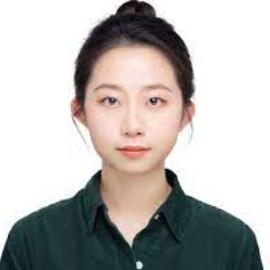
Jie-ying Zhao
Sichuan University, China
Registration NameCategoryRegistration ClosesPriceSlotsTotal

Contact Us

Toll Free Number

1(800) 828-2059

Email

support@eMedEvents.com

Chat Assistant

Live Chat