21st Valve Disease, Structural Interventions, and Diastology Summit



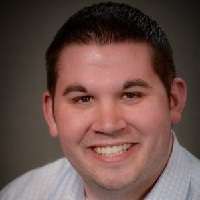
Speakers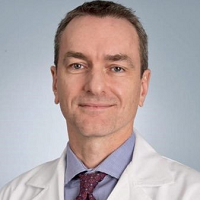
OVERVIEW
21st Valve Disease, Structural Interventions, and Diastology Summit is organized by Cleveland Clinic Center for Continuing Education and will be held from Mar 08 - 10, 2019 at Loews Portofino Bay Hotel at Universal Orlando Resort, Orlando, Florida, United States of America.
Who Should Attend?
Noninvasive and invasive cardiologists, cardiac surgeons, anesthesiologists, sonographers, nurses, fellows, cardiology nurse practitioners, and physician assistants will benefit from attending this summit.
Accreditation:
The Cleveland Clinic Foundation Center for Continuing Education designates this live activity for a maximum of 21.75 AMA PRA Category 1 Credits™.
American Board of Internal Medicine MOC
Successful completion of this CME activity, which includes participation in the evaluation component, enables the participant to earn up to 21.75 MOC points in the American Board of Internal Medicine’s (ABIM) Maintenance of Certification (MOC) program.
MOC is available for full course attendance only.
Other Health Care Professionals
A certificate of participation will be provided to other health care professionals for requesting credits in accordance with state nursing boards, specialty societies, or other professional associations.
Overview:
The Summit will focus on mitral, aortic and tricuspid valve diseases as well as the latest advances in structural interventions including TAVR, percutaneous mitral repair and LAA occluder devices. This summit will include case-based lectures and workshops about strain, 3-D and contrast echo.
This will provide you a unique opportunity to receive updates in new and emerging topics from basic to advanced imaging techniques including 3-D echocardiography, strain imaging, echo guidance of transcatheter therapies as well as MRI/CT. The new ASE guidelines on diastolic function will be discussed as well as advances in pericardial and myocardial diseases.
By Attending, You Will Be Able To:
• Apply echocardiography to diagnose the severity, mechanism, etiology, and hemodynamic impact of the many types of valve disease, including mitral regurgitation, mitral stenosis, aortic stenosis, aortic regurgitation and tricuspid valve disorders
• Assess the most recent innovations in structural interventions and describe their clinical use
• Translate new guideline criteria on imaging into current decision-making regarding structural valve interventions, medical treatment, and surgical valve repair/replacement
• Utilize echocardiographic imaging for imaging before, during, and after interventional procedures, including transcatheter valve replacement (aortic and mitral), closure of periprosthetic leaks, LAA closure, and edge-to-edge mitral and tricuspid repair as well LAA occluder devices
• Gain an updated understanding on new and emerging imaging techniques, including 3-D echocardiography, strain imaging, and MRI/CT
• Describe clinical methods to diagnose diastolic dysfunction and manage disorders such as heart failure with preserved ejection fraction, constrictive pericarditis, amyloid heart disease, and hypertrophic cardiomyopathy
• Discuss role of clinical indications and emerging uses of contrast echocardiography
KEY DATES

08 Mar, 2019
Event Start Date

10 Mar, 2019
Event End Date
SPECIALITIES
CardiologySUGGESTED HOTELS
CONFERENCE VENUE
 Loews Portofino Bay Hotel at Universal Orlando Resort
RELATED CONFERENCES & LIVE WEBINARS
By Provider Practice Essentials...
Nov 13 - 14, 2026 | Orlando, Florida, USA
State required course for Mississippi
23 CME/CE

By Provider Practice Essentials...
Nov 12 - 14, 2026 | Orlando, Florida, USA
State required course for Illinois ...
37 CME/CE
Quick Links