Improving End of Life Care for People with Dementia 2019







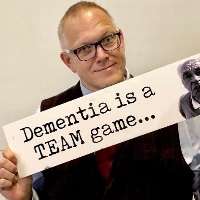

OVERVIEW
Improving End of Life Care for People with Dementia is organized by Healthcare (HC) - UK Conferences and will be held on Mar 11, 2019 at De Vere West One Conference Centre, London, England, United Kingdom.
Conference Description:
This conference focuses on improving end of life care for people with Dementia. Dementia is now the leading cause of death in England and Wales. In England it is estimated that around 676,000 people have dementia. In the whole of the UK, the number of people with dementia is estimated at 850,000. It is therefore essential that we focus on improving end of life care for Dementia. The conference will demonstrate, through national updates and practical case studies how you can improve end of life care for people with dementia in your service. This event will update delegates on the new NICE National Clinical Guideline for Dementia and implications for end of life care. The New NICE Guideline Dementia: assessment, management and support for people living with dementia and their carers published on 20th June 2018 has specific recommendations on Palliative Care in Dementia including:
Conference Objectives:
• From diagnosis, offer people living with dementia flexible, needs-based palliative care that takes into account how unpredictable dementia progression can be.
• For people living with dementia who are approaching the end of life, use an anticipatory healthcare planning process. Involve the person and their family members or carers (as appropriate) as far as possible, and use the principles of best-interest decision-making if the person does not have capacity to make decisions about their care.
• For standards and measures on palliative care, see the NICE quality standard on end of life care for adults.
• For guidance on care for people in the last days of life, see the NICE guideline on care of dying adults.
• For guidance on best interests decision-making, see the NICE guideline on decision-making and mental capacity.
• Encourage and support people living with dementia to eat and drink, taking into account their nutritional needs.
• Consider involving a speech and language therapist if there are concerns about a person's safety when eating and drinking.
• Do not routinely use enteral feeding in people living with severe dementia, unless indicated for a potentially reversible comorbidity.
Benefits of attending:
This conference will enable you to:
• Network with colleagues who are working to improve end of life care for people with dementia
• Understand the national context and developments including the palliative care implications of the June 2018 National Clinical Guideline for Dementia
• Learn from the lived experience of a carer
• Develop your skills in end of life care planning
• Understand how you can ensure care is aligned with the preferences and needs of the dying person and those important to them
• Explore the challenges in predicting and recognising last days of life and managing uncertainty
• Understand how to meet the psychological needs of people with dementia at the end of life
• Learn from established practice in improving end of life care for people with dementia in care homes, avoiding hospital admission and increasing preferred place of care
• Explore the nursing role in supporting people with dementia at the end of life
• Self assess and reflect on your own practice
• Gain CPD accreditation points contributing to professional development and revalidation evidence
Additional details will be posted as soon as they are available.
KEY DATES

11 Mar, 2019
Event Start Date

11 Mar, 2019
Event End Date


SPECIALITIES
Healthcare ManagementHospice and Palliative MedicineNeurologyPsychiatrySUGGESTED HOTELS
CONFERENCE VENUE
 De Vere West One Conference Centre
RELATED CONFERENCES & LIVE WEBINARS
By Utilitarian Conferences...
Dec 14 - 15, 2026 | Kuala Lumpur, ...
Neuroscience
30 CME Hours
...
...


By The Tennessee Pain Society (TPS)
Dec 03 - 06, 2026 | Nashville, ...
Pain Medicine
Quick Links