13th Annual Clinical Breakthroughs & Challenges in Hematologic Malignancies Conference

 In-Person Event
 Jan 14, 2017
 Bay Lake, Florida, USA
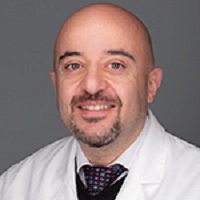
Speakers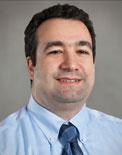
OVERVIEW
13th Annual Clinical Breakthroughs & Challenges in Hematologic Malignancies Conference is organized by Florida Society of Clinical Oncology (FLASCO) and would be held during Jan 14, 2017 at Disney Grand Floridian Resort, Bay Lake, Florida, United States of America.
The target audience for this medical event are hematologists, medical oncologists, pharmacists, fellows, residents, advanced practice professionals, oncology nurses and other healthcare professionals who are interested in this field. This CME conference has been approved with a maximum of 6.0 AMA PRA Category 1 Credits.
Description
The 13th Annual Clinical Breakthroughs & Challenges in Hematologic Malignancies Conference is designed to present the most recent diagnostic and therapeutic advances and treatment options in hematologic malignancies to practicing hematologists, oncologists, pharmacists, advanced practice professionals and oncology nurses. This one-day interactive conference will cover Leukemia: AML, MDS, CMLand Lymphoma and Myeloma in a format that includes plenary lectures, case presentations and discussions. Ample time will be available for networking.
Objectives
At the end of the conference, participants will be able to:
• Identify treatment options available for older patients with AML
• Discuss new therapies on the horizon for AML
• Explain the clinical and molecular risk factors in MDS
• Name optimal therapy choices for untreated MDS
• Evaluate the role and indication for Ibrutinib and Venetoclax in CLL
• Explain treatment strategies for managing older adults with multiple myeloma
• Describe the importance of and therapeutic strategies for managing minimal residual disease in multiple myeloma
• Relate current management options for newly diagnosed primary CNS lymphoma
• Define risk stratification and optimal therapy for newly diagnosed mantle cell lymphoma
• Recognize the role of TKIs in the treatment of Ph+ALL
The target audience for this medical event are hematologists, medical oncologists, pharmacists, fellows, residents, advanced practice professionals, oncology nurses and other healthcare professionals who are interested in this field. This CME conference has been approved with a maximum of 6.0 AMA PRA Category 1 Credits.
Description
The 13th Annual Clinical Breakthroughs & Challenges in Hematologic Malignancies Conference is designed to present the most recent diagnostic and therapeutic advances and treatment options in hematologic malignancies to practicing hematologists, oncologists, pharmacists, advanced practice professionals and oncology nurses. This one-day interactive conference will cover Leukemia: AML, MDS, CMLand Lymphoma and Myeloma in a format that includes plenary lectures, case presentations and discussions. Ample time will be available for networking.
Objectives
At the end of the conference, participants will be able to:
• Identify treatment options available for older patients with AML
• Discuss new therapies on the horizon for AML
• Explain the clinical and molecular risk factors in MDS
• Name optimal therapy choices for untreated MDS
• Evaluate the role and indication for Ibrutinib and Venetoclax in CLL
• Explain treatment strategies for managing older adults with multiple myeloma
• Describe the importance of and therapeutic strategies for managing minimal residual disease in multiple myeloma
• Relate current management options for newly diagnosed primary CNS lymphoma
• Define risk stratification and optimal therapy for newly diagnosed mantle cell lymphoma
• Recognize the role of TKIs in the treatment of Ph+ALL
KEY DATES

14 Jan, 2017
Event Start Date

14 Jan, 2017
Event End Date
SPECIALITIES
Hematology Blood and Marrow TransplantSUGGESTED HOTELS
CONFERENCE VENUE
Disney Grand Floridian ResortQuick Links