4th Annual Basic and Clinical Immunology for the Busy Clinician and Advances in Biologic Therapies Symposium : An Immunology Boot Camp



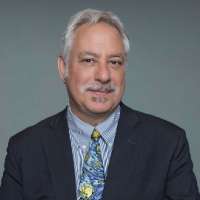
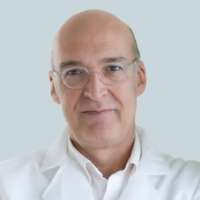
Speakers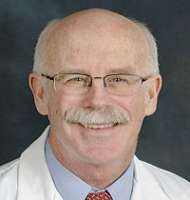



OVERVIEW
Cleveland Clinic CME-certified 4th Annual Basic and Clinical Immunology for the Busy Clinician and Advances in Biologic Therapies Symposium : An Immunology Boot Camp is organized by Cleveland Clinic Foundation Center for Continuing Medical Education and would be held during Mar 11 - 12, 2016 at Hollywood Beach Marriott Hotel - Hollywood, Florida. The target audience for this medical event basically for Rheumatologists, Dermatologists, Allergists, Infectious disease practitioners, Internal medicine physicians, Pulmonologists, Nurse practitioners, Physician assistants, and other health care professionals caring for patients with Immunologic diseases. This CME conference has been approved with 9.75 AMA PRA Category 1 Credits
This immunology boot camp bridges the gap between the rapidly evolving fields of immunology and biologic therapies so that the practicing clinician may keep abreast of the advances. Attend for the opportunity to engage with faculty and peers to discuss your most challenging cases in the flipped classroom format and learn about the use of biologic agents in the fields of rheumatology, dermatology, allergy, and infectious disease. Get up to speed on the rapid advances in laboratory immunology as it relates to patient care.
Objectives
By attending, you will be able to do the following:
• Explain the fundamental pathophysiology of the innate immune response, focusing on the impact of the microbiome and elements crucial to the integrated immune response
• Explain the roles of cellular and humoral elements leading to T cell and B cell activation and deactivation
• Describe how and why naive T cells differentiate into diverse subsets (eg, TH1, TH2, TH17, Treg) and define their potential roles in health and disease
• Identify potential pathways within the integrated immune response in which studies suggest potential benefit for immune intervention for the treatment of autoimmune and/ or autoinflammatory diseases
• Critically appraise the significance of intracellular cascades leading to immunologic activation, proliferation and effector functions and the clinical significance of targeting such pathways
• Describe recent advances presented at key meetings and in the literature on biologic therapy for rheumatoid arthritis, systemic lupus erythematosus, psoriatic arthritis, spondylitis, and psoriasis
• Integrate experience of experts into the diagnosis and management of complex autoimmune, autoinflammatory and immune deficiency diseases.
This immunology boot camp bridges the gap between the rapidly evolving fields of immunology and biologic therapies so that the practicing clinician may keep abreast of the advances. Attend for the opportunity to engage with faculty and peers to discuss your most challenging cases in the flipped classroom format and learn about the use of biologic agents in the fields of rheumatology, dermatology, allergy, and infectious disease. Get up to speed on the rapid advances in laboratory immunology as it relates to patient care.
Objectives
By attending, you will be able to do the following:
• Explain the fundamental pathophysiology of the innate immune response, focusing on the impact of the microbiome and elements crucial to the integrated immune response
• Explain the roles of cellular and humoral elements leading to T cell and B cell activation and deactivation
• Describe how and why naive T cells differentiate into diverse subsets (eg, TH1, TH2, TH17, Treg) and define their potential roles in health and disease
• Identify potential pathways within the integrated immune response in which studies suggest potential benefit for immune intervention for the treatment of autoimmune and/ or autoinflammatory diseases
• Critically appraise the significance of intracellular cascades leading to immunologic activation, proliferation and effector functions and the clinical significance of targeting such pathways
• Describe recent advances presented at key meetings and in the literature on biologic therapy for rheumatoid arthritis, systemic lupus erythematosus, psoriatic arthritis, spondylitis, and psoriasis
• Integrate experience of experts into the diagnosis and management of complex autoimmune, autoinflammatory and immune deficiency diseases.
KEY DATES

11 Mar, 2016
Event Start Date

12 Mar, 2016
Event End Date
SPECIALITIES
Immunology and MicrobiologySUGGESTED HOTELS
CONFERENCE VENUE
 Hollywood Beach Marriott Hotel
Quick Links