AACP Institute - 4-Part Craniofacial Pain Mini-Residency Program



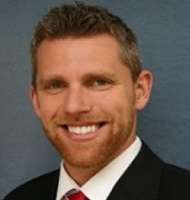
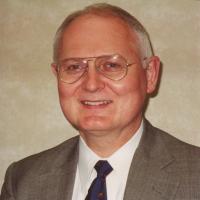
Speakers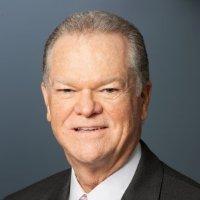


OVERVIEW
By the end of Session 3, participants should also have
acquired, improved, and/or updated their knowledge of
and ability to administer physical medicine modalities in
a clinical setting; understand when prosthetic finishing is
required and the best approach to satisfy patient needs;
understand what medications patients may present with
and how these medications may adversely affect pain
patterns; appreciate when, why, and what medications to
prescribe; understand the reasons for local anethetic failures;
appreciate the role of osteocavitation lesions in craniofacial
pain disorders; understand the role of percutaneous radio
frequency thermoneurolysis in craniofacial pain treatment;
secure a neuromuscular occlusal registration to fabricate a
neuromuscular orthotic; and organize and prepare a proper
case presentation.
KEY DATES

19 Feb, 2015
Event Start Date

21 Feb, 2015
Event End Date
SPECIALITIES
DentistrySUGGESTED HOTELS
CONFERENCE VENUE
 American Airlines Training & Conference Center
RELATED CONFERENCES & LIVE WEBINARS
Nov 29 - 30, 2026 | Tokyo, Kanto, JP
Aesthetic Medicine
12 CE Credits

By Utilitarian Conferences...
Feb 04 - 05, 2027 | Kuala Lumpur, ...
Dentistry
30 CME
...
...
Quick Links