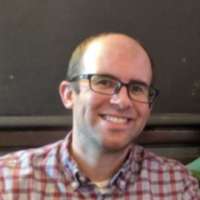
Tim Rasmusson MSc
Biochemistry and Molecular Genetics
Boston, Massachusetts, United States of America
Connect with the speaker?
Tim Rasmusson is apply cryo-electron microscopy and other biophysical techniques to understand the mechanism and function of membrane proteins, in particular channels and transporters involved in bacterial stress response. Mechanosensitive (MS) channels protect bacteria against hypoosmotic shock. The mechanosensitive channel of small conductance (MscS) and related larger proteins form an important family of MS channels. Its members can be found not only in bacteria but in all kingdoms of life.
The potassium efflux system (Kef) is protecting bacteria against toxic electrophilic compounds. The efflux of potassium is coupled to the influx of protons and the resulting drop in the cytosolic pH protects bacteria against electrophiles. Kef has a complex regulation that he is studying: Adducts of electrophiles with glutathione bind to a cytosolic regulatory domain and activate Kef. Quantitative binding studies elucidate molecular requirements for activation. This information can be used to develop antibacterial drugs against the novel target Kef.
He is also interested in the mechanism of enzymes and he has studied nitrous oxide reductase, NADH: ubiquinone reductase, bd oxidase, and KefF.
The potassium efflux system (Kef) is protecting bacteria against toxic electrophilic compounds. The efflux of potassium is coupled to the influx of protons and the resulting drop in the cytosolic pH protects bacteria against electrophiles. Kef has a complex regulation that he is studying: Adducts of electrophiles with glutathione bind to a cytosolic regulatory domain and activate Kef. Quantitative binding studies elucidate molecular requirements for activation. This information can be used to develop antibacterial drugs against the novel target Kef.
He is also interested in the mechanism of enzymes and he has studied nitrous oxide reductase, NADH: ubiquinone reductase, bd oxidase, and KefF.
EVENTS & ACTIVITIES (Speaking, Spoken, and Authored)


Quick Links
Connect With Us


Awards & Recognitions


- 50 Division Street, Suite 501,
- Somerville, NJ 08876
- support@emedevents.com