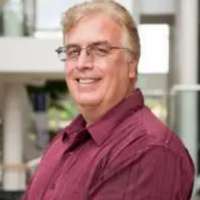
Thomas May PhD
Biotechnology
Huntsville, Alabama, United States of America
Connect with the speaker?
Thomas May, Ph.D., researches issues at the intersection of medicine, public health, and moral/social/political philosophy, with a special interest in issues related to autonomy and healthcare. He has focused on issues of how autonomy relates to self-identity and well-being; the role of autonomy in deciding how rights to genomic information, as well as rights to genomic ignorance, should be framed; and the assessment of risk within the context of other-regarding implications that emerge from genomic information. May’s approach is to carefully parse the relevant considerations, outcomes, and justifications salient to healthcare decision-making, and through this balance potential benefits and risks in a way that is appropriately contextualized to the patient, condition, and provider circumstances that frame decision-making. In addition to publishing two books and many articles on autonomy in leading philosophy journals, he has published on related topics in Nature, Science, Pediatrics, Vaccine, American Journal of Public Health, and Milbank Quarterly.
May has served as an advisor to the National Vaccine Program Office, the Florida Department of Health; the State of Illinois Guardianship and Advocacy Commission, and the State of Wisconsin on Emergency Preparedness. He has twice chaired the Ethics Forum of the American Public Health Association and has served on the American Philosophical Association’s Committee on Philosophy and Medicine.
May earned his Ph.D. in philosophy from Bowling Green State University in 1994 followed by fellowships at the University of Minnesota Center for Biomedical Ethics and in the department of bioethics at the Cleveland Clinic Foundation. He was the director of the Clinical Ethics Center at Memorial Medical Center/Southern Illinois University School of Medicine from 1997 until 2001 and joined the Medical College of Wisconsin (MCW) in Milwaukee in 2000 where he was director of graduate studies in bioethics, held the Ursula Von der Ruhr endowed chair in bioethics and served on an advisory board overseeing identification of appropriate candidates for a cooperative MCW-Children’s Hospital of Wisconsin pilot program for whole genome sequencing of children suffering from health conditions of unknown cause.
EVENTS & ACTIVITIES (Speaking, Spoken, and Authored)


Connect With Us


Awards & Recognitions


- 50 Division Street, Suite 501,
- Somerville, NJ 08876
- support@emedevents.com