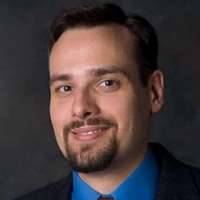
Thomas Caprio MD, MPH, MS
Geriatric Medicine, Hospice and Palliative Medicine, Internal Medicine
Rochester, New York, United States of America
Connect with the speaker?
Dr. Thomas V. Caprio is an academic geriatrician and hospice/palliative care physician at the University of Rochester Medical Center. He serves as the Chief Medical Officer for UR Medicine Home Care and is the Hospice Medical Director. Dr. Caprio is a national leader in geriatrics and gerontology education, as well as a leader in research focusing on home health care, assisted living, nursing homes, and end-of-life care. He is the director of the Finger Lakes Geriatric Education Center (FLGEC) at the University of Rochester where he oversees the development and implementation of regional, state, and national education and training programs to support the health care workforce and family caregivers.
He has received numerous awards recognizing his accomplishments and advocacy efforts, as well as federal, state, and foundation grant funding to support his work. He has published over 100 articles, book chapters, and white papers. He is the Past-President of the National Association of Geriatric Education Centers, Past-President of the National Association for Geriatric Education, as well as the Past-President of the State Society on Aging of New York. He served previously as an Associate Editor for Clinical Education in Geriatrics for the Journal of Gerontology & Geriatrics Education.
He currently serves as a board member for the Home Care Association of New York State, the Hospice Medical Director Certification Board, and the Collaborative for Palliative Care. In 2023, he was appointed by the Governor to the Stakeholder Advisory Committee for New York State’s Master Plan for Aging. In 2025, Dr. Caprio was appointed a Co-Principal Investigator for the Geriatric Workforce Enhancement Program Coordinating Center (GWEP-CC) under the American Geriatrics Society. Dr. Caprio's current work focuses on the transformation of health systems for age-friendly care, including workforce development, reducing health disparities, addressing the needs of those with dementia and their caregivers, and improving the quality of end-of-life care.

Connect With Us


Awards & Recognitions

- 50 Division Street, Suite 501,
- Somerville, NJ 08876
- support@emedevents.com