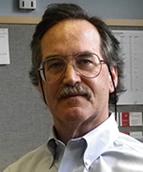
Robert E. Burke
Internal Medicine and General Medicine, Neurology, Psychiatry
New York, New York, United States of America
Connect with the speaker?
Dr. Burke's research focus is on basic neuroscience related to the cause and treatment of degenerative neurological disease, particularly Parkinson's Disease. His early work demonstrated that a genetically programmed form of cell death, called apoptosis, occurs in dopaminergic neurons of the substantia nigra. He demonstrated that this form of cell death can be induced in models of parkinsonism and it can be effectively blocked by pharmacologic or genetic approaches that inhibit cell death signaling.
Recent work has shown that axonal degeneration, which is mediated by non-apoptotic pathways, can also be inhibited by genetic approaches. His laboratory has also recently shown that, contrary to the long-held belief that axons of the mature central nervous system are incapable of re-growth, they can be induced to grow by the kinase Akt and the GTPase Rheb expressed in dopamine neurons by viral vector transfer. Dr. Burke's early clinical research included important work in dystonia and the tardive dyskinesias, and led to the first descriptions of the delayed-onset dystonias and tardive dystonia.
Dr. Burke's publications have appeared in The Journal of Neuroscience, Nature Neuroscience, The Proceedings of the National Academy of Sciences (USA), The Annals of Neurology, The Journal of Comparative Neurology, and other leading neuroscience journals.
Recent work has shown that axonal degeneration, which is mediated by non-apoptotic pathways, can also be inhibited by genetic approaches. His laboratory has also recently shown that, contrary to the long-held belief that axons of the mature central nervous system are incapable of re-growth, they can be induced to grow by the kinase Akt and the GTPase Rheb expressed in dopamine neurons by viral vector transfer. Dr. Burke's early clinical research included important work in dystonia and the tardive dyskinesias, and led to the first descriptions of the delayed-onset dystonias and tardive dystonia.
Dr. Burke's publications have appeared in The Journal of Neuroscience, Nature Neuroscience, The Proceedings of the National Academy of Sciences (USA), The Annals of Neurology, The Journal of Comparative Neurology, and other leading neuroscience journals.
EVENTS & ACTIVITIES (Speaking, Spoken, and Authored)
2018 NICHE Annual Conference
 In-Person Event
 Geriatrics ...
 Apr 10 - 13, 2018
 Atlanta, Georgia, USA
16th National Congress of the Spanish Society of Neuroscience (SENC)
- In-Person Event
- Neuroscience
- Sep 23 - 25, 2015
- Granada, Andalucia, ES
51st Annual Internal Medicine Program 2015
- In-Person Event
- Family Medicine ...
- Jul 19 - 24, 2015
- Larimer, Colorado, USA
Quick Links
Connect With Us


Awards & Recognitions


- 50 Division Street, Suite 501,
- Somerville, NJ 08876
- support@emedevents.com