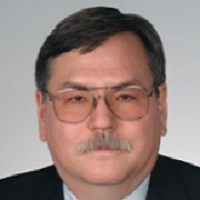
Michael Nishimura Ph.D
Surgery, Immunotherapies
Maywood, Illinois, United States of America
Connect with the speaker?
Michael Nishimura's laboratory has had a long-standing interest in the genetics of T cell receptor (TCR) genes that mediate recognition of tumor and viral antigens. In addition to understanding the relationship between the genetics of the TCR and the function of T cells, we have developed the approach of engineering T cells from any patient to express TCR genes isolated for tumor-reactive T cell clones. The resulting TCR gene-modified T cells can recognize tumors in vitro and in vivo. Therefore, it is now possible to provide any patient with a source of their own T cells capable of targeting their malignancies.
Despite our ability to custom generate tumor-reactive T cells for patients, early clinical trials suggest TCR gene-modified T cells are not as effective at tumor-infiltrating T cells in treating cancer patients. To improve the therapeutic efficacy of TCR gene-modified T cells, Michael's laboratory has several ongoing projects designed to understand the biology of TCR transduced T cells. Using a combination of the mouse in vivo tumor models, in vitro human studies and clinical trials, Michael's laboratory is studying the mechanisms to increase the persistence and function of adoptively transferred T cells. We also have a mouse and human studies designed to overcome tumor-induced immune suppression. Another critical problem Michael's laboratory is addressing is how to circumvent tumor immune escape. And finally, we are developing novel approaches for generating TCR transduced T cells to treat cancer.
Despite our ability to custom generate tumor-reactive T cells for patients, early clinical trials suggest TCR gene-modified T cells are not as effective at tumor-infiltrating T cells in treating cancer patients. To improve the therapeutic efficacy of TCR gene-modified T cells, Michael's laboratory has several ongoing projects designed to understand the biology of TCR transduced T cells. Using a combination of the mouse in vivo tumor models, in vitro human studies and clinical trials, Michael's laboratory is studying the mechanisms to increase the persistence and function of adoptively transferred T cells. We also have a mouse and human studies designed to overcome tumor-induced immune suppression. Another critical problem Michael's laboratory is addressing is how to circumvent tumor immune escape. And finally, we are developing novel approaches for generating TCR transduced T cells to treat cancer.
EVENTS & ACTIVITIES (Speaking, Spoken, and Authored)


Quick Links
Connect With Us


Awards & Recognitions

- 50 Division Street, Suite 501,
- Somerville, NJ 08876
- support@emedevents.com