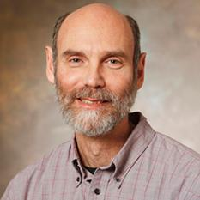
Martin A. Schwartz PhD
Biochemistry and Molecular Genetics
New Haven, Connecticut, United States of America
Connect with the speaker?
Martin Schwartz earned a BA in chemistry from New College in Sarasota, FL, and a PhD in physical chemistry from Stanford, where he worked in Harden McConnell’s lab on the biophysics of phospholipid membranes. He then did postdoctoral research in biology at MIT in the laboratory of Richard Hynes, where he studied interactions of fibronectin with cells and other proteins. He was on the faculty at Harvard Medical School, Scripps Research Institute, and the University of Virginia before moving to Yale in 2011.
Starting in the 1980’s, his lab was among the first to report that integrin-mediated adhesion could regulate signaling pathways in cells; that integrin-mediated adhesion promotes cell survival; that integrins synergize with growth factor receptors to activate growth signaling pathways; and that integrins regulate Rho family GTPases. His lab has also elucidated mechanotransduction pathways by which endothelial cells respond to fluid shear stress to activate inflammatory pathways linked to atherosclerosis. His current research program combines studies using biophysical, cellular, and animal approaches to important questions about integrin signaling, mechanotransduction, and disease in the vascular system.
EVENTS & ACTIVITIES (Speaking, Spoken, and Authored)
6th International Conference on Pharmacology and Toxicology
 Hybrid Event
 Clinical Pharmacology ...
 Nov 19 - 20, 2026
 Barcelona, Barcelona, ES
Second International Conference on Innovations in Pharma R&D
- Hybrid Event
- Nov 02 - 04, 2026
- Boston, Massachusetts, USA
2020 ASBMB Annual Meeting
 In-Person Event
- Biochemistry and Molecular Genetics
- Apr 04 - 07, 2020
- San Diego, California, USA
Asia Pacific Vascular Biology Organization (APVBO) Conference 2017
- In-Person Event
- Vascular Medicine
- Nov 17 - 20, 2017
- Guangzhou, Guangdong, CN
Angiogenesis Gordon Research Conference (GRC)
- In-Person Event
- Hematopathology ...
- Aug 06 - 11, 2017
- Newport, Rhode Island, USA
2nd Joint Meeting of the European Society for Microcirculation (ESM) and European Vascular Biology Organisation (EVBO)
- In-Person Event
- Hematology Blood and Marrow Transplant
- May 29 - Jun 01, 2017
- Geneve, Geneve, CH

Connect With Us


Awards & Recognitions

- 50 Division Street, Suite 501,
- Somerville, NJ 08876
- support@emedevents.com