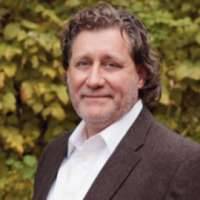
Mark Hayes PhD
Biochemistry and Molecular Genetics
Tempe, Arizona, United States of America
Connect with the speaker?
Mark A. Hayes holds an associate professorship in the School of Molecular Sciences at Arizona State University, where he serves as an active researcher, mentor, teacher, and colleague. His academic career has produced significant results across several disciplines within the analytical, clinical, biological, and physical chemistry communities that include aspects of engineering, physics, biology, and medicine. While contributing to the knowledge base, he has energetically and creatively supported the wider profession at local, regional, national, and international levels.
He initially worked in private industry at a ‘mom & pop’ analytical laboratory and at J&W Scientific capillary gas chromatography column manufacturer (now part of Agilent) after earning his undergraduate degree at Humboldt State University (California). He then entered graduate school at Penn State University and studied under Professor Andrew G. Ewing (currently the Marie Currie Chair at the University of Gothenburg, Sweden), developing electrokinetic approaches to neuroscience and building new instrumentation. Postdoctoral studies were with Dr. Werner Kuhr at the University of California, Riverside focused on biosensor development exploiting enzymes.
Professor Hayes has contributed to several different research areas, ranging from creating bio nanotubules from liposomes with electric fields to establishing a framework for vastly improved microscale array-based separations in more than 80 publications and book chapters. He has served as Program Chair, Governing Board Chair, Long Range Planning Chair, and Marketing Chair for the Federation of Analytical Chemistry and Spectroscopy Societies (FACSS) over a several-year period of time and was instrumental in altering the management structure and changing the name of the North American meeting to SciX Conference. He recently served as president (ending in 2015) of the AES Electrophoresis Society. He has mentored 60 undergraduate and graduate students, producing 16 doctorates while supporting them with research funds and prestigious fellowships (NSF, Kirkbright, ACS, Fulbright, FLAS, and local awards).
He initially worked in private industry at a ‘mom & pop’ analytical laboratory and at J&W Scientific capillary gas chromatography column manufacturer (now part of Agilent) after earning his undergraduate degree at Humboldt State University (California). He then entered graduate school at Penn State University and studied under Professor Andrew G. Ewing (currently the Marie Currie Chair at the University of Gothenburg, Sweden), developing electrokinetic approaches to neuroscience and building new instrumentation. Postdoctoral studies were with Dr. Werner Kuhr at the University of California, Riverside focused on biosensor development exploiting enzymes.
Professor Hayes has contributed to several different research areas, ranging from creating bio nanotubules from liposomes with electric fields to establishing a framework for vastly improved microscale array-based separations in more than 80 publications and book chapters. He has served as Program Chair, Governing Board Chair, Long Range Planning Chair, and Marketing Chair for the Federation of Analytical Chemistry and Spectroscopy Societies (FACSS) over a several-year period of time and was instrumental in altering the management structure and changing the name of the North American meeting to SciX Conference. He recently served as president (ending in 2015) of the AES Electrophoresis Society. He has mentored 60 undergraduate and graduate students, producing 16 doctorates while supporting them with research funds and prestigious fellowships (NSF, Kirkbright, ACS, Fulbright, FLAS, and local awards).
Quick Links
Connect With Us


Awards & Recognitions

- 50 Division Street, Suite 501,
- Somerville, NJ 08876
- support@emedevents.com