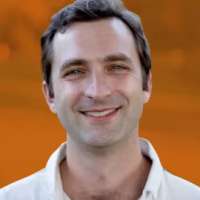
Lief Fenno MD, PhD, FAPA
Addiction Psychiatry, Psychiatry
Austin, Texas, United States of America
Connect with the speaker?
Dr. Lief Ericsson Fenno, M.D., Ph.D., FAPA, is a physician-scientist and clinician whose work bridges basic neuroscience, bioengineering, and addiction medicine. He holds faculty appointments in Dell Medical School’s Department of Psychiatry and Behavioral Sciences and the College of Natural Sciences’ Department of Neuroscience, as well as a courtesy appointment in the Department of Biomedical Engineering in the Cockrell School of Engineering.
Dr. Fenno directs the Fenno Lab, which develops and applies new molecular, genetic, and viral technologies for precisely defining, monitoring, and controlling neural circuits. His research focuses on creating next-generation tools for understanding brain function and therapeutically manipulating dysfunctional neural systems relevant to psychiatric and neurologic disease. In parallel with technology development, his laboratory investigates complementary biological questions, with current emphases on the neural-circuit mechanisms of psychedelic therapeutics, the roles of non-neuronal cell types in addiction, and approaches to causally link human GWAS findings to circuit dysfunction. He is an inventor on multiple patents arising from this work, and his technologies are widely used in academia and industry; he has also played founding and advisory roles in companies focused on neurotechnology and gene-based therapeutics.
Clinically, Dr. Fenno specializes in the management of addiction, with a focus on office-based treatment of opioid use disorder and harm-reduction-oriented care. He is board-certified in adult psychiatry and addiction medicine. A national leader in addiction policy, he serves as chair of the American Psychiatric Association’s Council on Addiction Psychiatry and is a voting member of the Texas Opioid Abatement Fund Council. He is a fellow of the American Psychiatric Association. Dr. Fenno earned a bachelor’s degree in neurobiology from Harvard University and both his M.D. and Ph.D. in neuroscience from Stanford University School of Medicine, followed by residency training in adult psychiatry and postdoctoral training in bioengineering at Stanford.
EVENTS & ACTIVITIES (Speaking, Spoken, and Authored)


Connect With Us


Awards & Recognitions


- 50 Division Street, Suite 501,
- Somerville, NJ 08876
- support@emedevents.com