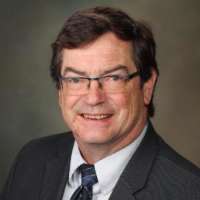
John Caviness MD
Clinical Neurophysiology, Neurology
Scottsdale, Arizona, United States of America
Connect with the speaker?
Dr. John Nathaniel Caviness is a distinguished neurologist, movement disorders specialist, and professor of neurology at Mayo Clinic in Phoenix, Arizona. He is internationally recognized for his expertise in Parkinson’s disease, movement disorders, electroencephalography (EEG), myoclonus, chorea, and clinical neurophysiology. His clinical and research work focuses on understanding the neurological mechanisms underlying movement disorders and developing advanced tools to improve diagnosis, monitoring, and treatment outcomes.
Dr. Caviness earned his Bachelor of Science degree in Chemistry and his Doctor of Medicine degree from Indiana University. He completed an internship in Internal Medicine and advanced neurology residency training at Mayo Clinic, followed by specialized fellowships in electroencephalography and movement disorders, including fellowship training at the renowned Queen Square Institute of Neurology in London under the direction of Professor C. David Marsden.
As Director of the Movement Neurophysiology Laboratory at Mayo Clinic, Dr. Caviness leads research investigating the electrophysiological basis of Parkinson’s disease, tremor, dystonia, myoclonus, Huntington’s disease, and related neurological conditions. His laboratory develops and validates electrophysiological biomarkers that can identify cognitive decline, predict disease progression, and assess responses to emerging therapies. His work has contributed significantly to understanding cortical dysfunction and cognitive impairment associated with Parkinson’s disease and other neurodegenerative disorders.
Dr. Caviness has authored numerous peer-reviewed publications on movement disorders, Parkinson’s disease dementia, neurophysiology, and neurodegenerative diseases. His research has advanced knowledge of electrophysiological abnormalities in hereditary parkinsonism, cognitive deterioration in Parkinson’s disease, and the development of novel biomarkers for early diagnosis and therapeutic monitoring.
In addition to his research accomplishments, Dr. Caviness is actively involved in medical education and professional leadership. He serves on educational programs and scientific initiatives focused on Parkinson’s disease and movement disorders and is recognized for his contributions to advancing clinical neurophysiology and neurological care. Through his clinical expertise, innovative research, and commitment to education, Dr. Caviness continues to play a significant role in improving the understanding and treatment of movement disorders worldwide.

Connect With Us


Awards & Recognitions


- 50 Division Street, Suite 501,
- Somerville, NJ 08876
- support@emedevents.com