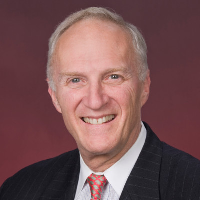
Jeffrey S. Borer MD, FACC, FAHA
Cardiology, Internal Medicine, Radiology
Brooklyn, New York, United States of America
Connect with the speaker?
Jeffrey S. Borer, MD, is a Professor of Medicine, Cell Biology, Radiology, and Surgery at the State University of New York Downstate Medical Center. During his year at Guy's Hospital (London) as Senior Fullbright Hays Scholar and Glorney-Raisbeck Fellow in the Medical Sciences, he completed the first clinical demonstration of nitroglycerin's utility in acute myocardial infarction following his several years of preclinical studies at NIH.
Upon returning to the NIH, he developed stress radionuclide cine angiography, an achievement which transformed the practice of cardiology by enabling the first non-invasive assessment of cardiac function with exercise; this development enabled unmasking previously inapparent cardiac disabilities and quantifying their severity. After returning to Cornell from NIH, and now at Downstate, he has performed clinical service, teaching, and research, the latter currently primarily focused on developing prognosticators for regurgitant valve diseases and assessing the effects of heart rate modification on clinical outcomes, with trials in coronary artery disease and heart failure.
Jeffrey has been an Advisor to the USFDA for 38 years, chaired the CardioRenal Drugs Advisory Committee for 3 terms and the Circulatory Devices Advisory Panel for one term, was a life sciences Advisor to NASA for 24 years, has served as officer/board member of several national professional societies (most recently founding President, Heart Valve Society of America 2004-2014, now expanded to the Heart Valve Society [interntational], of which he serves on the Board of Trustees), has published almost 500 full-length scientific papers and 7 books, has participated in various roles in numerous clinical trials of therapies, is editor-in-chief of the journal, Cardiology, and has received several awards and other recognitions for his work including, most recently, the Lifetime Achievement Award of the Heart Valve Society of America and Society of Heart Valve Disease of Europe (2014), and his selection as one of three Legends of Cardiology at the 10th Annual Complex Catheter-based Cardiovascular Therapeutics conference (2014). His research has been supported by NIH, AHA, and, for many years, several large private foundations.
EVENTS & ACTIVITIES (Speaking, Spoken, and Authored)


Connect With Us


Awards & Recognitions


- 50 Division Street, Suite 501,
- Somerville, NJ 08876
- support@emedevents.com