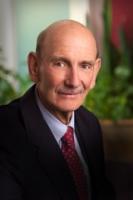
Harry R. Hill
Pathology, Pediatrics, Medicine
Salt Lake City, Utah, United States of America
Connect with the speaker?
Dr. Harry R. Hill, M.D. is a Professor of Pathology, Pediatrics and Medicine, who trained in Immunology, Infectious Diseases and Clinical Laboratory Medicine at the University of Washington in Seattle and at the University of Minnesota in Minneapolis before coming to the University of Utah. Approximately 38 years ago, he established a Clinical Immunology Clinic to see primary immunodeficiency diseases such as hypogammaglobulinemia, chronic granulomatous disease, Job syndrome of Hyper IgE and recurrent infections, Wiskott Aldridge disease, the Hyper igM syndrome, isolated IgA deficiency, IgG subclass deficiencies and other disorders associate with recurrent and often severe infections. He also established a laboratory to evaluate the immunologic function in these patients, which is now a major laboratory at ARUP Laboratories, the national esoteric reference laboratory owned by the University of Utah. More recently, Dr. Hill, along with several colleagues at ARUP Laboratories, has begun to develop rapid molecular tests for some of these disorders that can be accomplished as rapidly as in 1-2 days and to use state of the art new tools such as next generation sequencing to find new causes of these primary immunodeficiencies, which can have onset from the newborn period until mid to late adulthood. Appointments can be made through the Administrative Assistant for the Division, Jeannette Rejali at 801-581-5873. The Clinical Immunology Clinic meets in Clinic 1A, which is labeled the Infectious Disease Clinic on Thursday mornings. Referral forms requesting critical clinical and laboratory data will be sent to the primary care doctor or referring specialist to speed up the workup and prevent duplication of testing. Dr. Adi Gundlapalli, is an associate of Dr. Hill's trained in immunolgy and infectious diseases, who also sees immunodeficient patients and covers for Dr. Hill when he is away. Dr. Hill has been listed in the Best Doctors in America from 1996 through 2013; he has also been funded as a researcher for 32 years from the National institutes of Health. He takes pride in spending as long as necessay deciphering the complex patients seen in this clinic. Additional benefits from evaluation in this clinic may be a better understanding of the risks of offspring and relatives developing similiar disorders.
EVENTS & ACTIVITIES (Speaking, Spoken, and Authored)


Quick Links
Connect With Us


Awards & Recognitions


- 50 Division Street, Suite 501,
- Somerville, NJ 08876
- support@emedevents.com