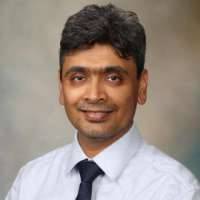
Gyanendra Kumar MD
Vascular Neurology, Neurology
Scottsdale, Arizona, United States of America
Connect with the speaker?
Dr. Gyanendra Kumar is an Associate Professor of Neurology and a vascular neurologist at Mayo Clinic in Phoenix, Arizona. He specializes in stroke neurology and cerebrovascular diseases, with extensive expertise in the diagnosis, treatment, and prevention of ischemic stroke, hemorrhagic stroke, transient ischemic attacks (TIA), and other cerebrovascular disorders.
A recognized leader in vascular neurology, Dr. Kumar's research focuses on cerebral hemodynamics, cryptogenic stroke, and stroke in young adults. His work utilizes advanced neurovascular imaging and transcranial Doppler ultrasonography to investigate blood flow dynamics, vasomotor reactivity, microembolic signals, and right-to-left cardiac shunting. Through these studies, he seeks to better understand the underlying mechanisms of cerebrovascular disease and improve patient outcomes.
Dr. Kumar is particularly interested in cryptogenic stroke—strokes with no clearly identifiable cause—and employs quantitative research methodologies and large-scale data analyses to strengthen evidence-based approaches to stroke prevention and management. His research aims to uncover hidden causes of stroke, especially among younger patients, and develop more targeted treatment strategies.
He completed fellowships in Vascular Neurology and the Specialized Program of Translational Research in Acute Stroke (SPOTRIAS) at Washington University School of Medicine after neurology training in both India and the United States. His educational background includes training at Sanjay Gandhi Postgraduate Institute of Medical Sciences, King George Medical University, and the University of Missouri.
In addition to his clinical and research responsibilities, Dr. Kumar directs neurovascular Doppler programs, mentors trainees, and contributes to national and international stroke organizations. He is a Fellow of the American Academy of Neurology and the American Society of Neuroimaging. His work continues to advance the understanding of cerebrovascular disease while improving diagnostic and therapeutic approaches for stroke patients worldwide.

Connect With Us


Awards & Recognitions
- 50 Division Street, Suite 501,
- Somerville, NJ 08876
- support@emedevents.com