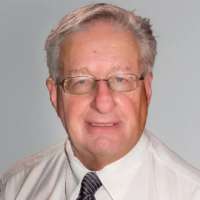
Donald Meichenbaum PhD
Psychology
Coral Gables, Florida, United States of America
Connect with the speaker?
Donald Meichenbaum, PhD, is Distinguished Professor Emeritus at the University of Waterloo in Waterloo, Ontario, Canada, and currently serves as Research Director of the Melissa Institute for Violence Prevention and Treatment in Miami, Florida. He is recognized as one of the founders of Cognitive Behavioral Therapy (CBT) and was voted one of the ten most influential psychotherapists of the twentieth century in an American Psychological Association survey of clinicians.
He is internationally recognized for pioneering Stress Inoculation Training (SIT) and Self-Instructional Training, two foundational approaches within cognitive behavioral therapy. He has received a Lifetime Achievement Award from the Clinical Division of the American Psychological Association, served as Honorary President of the Canadian Psychological Association, and held a Distinguished Visiting Professor position at the University of Miami's School of Education.
Dr. Meichenbaum earned his BA from City College of New York in 1962 and his PhD in Clinical Psychology from the University of Illinois, Urbana-Champaign, in 1966. He authored his first book, Cognitive Behavioural Modification: An Integrative Approach, in 1977. Throughout his career, he has published more than 70 journal articles and 15 books, including Roadmap to Resilience: A Guide for Military, Trauma Victims and Their Families (2012). His 2018 article with Scott Lilienfeld, How to Spot Hype in the Field of Psychotherapy: A 19-Item Checklist, received the Most Valuable Contribution to the General Field of Psychotherapy award from the Journal of Contemporary Psychotherapy.
His clinical and consulting work spans psychiatric and educational settings, where he has trained clinicians serving individuals affected by natural disasters, interpersonal violence, military-related trauma, accidents, and other challenging circumstances. He has also consulted with organizations supporting individuals with hearing impairments, developmental disabilities, traumatic brain injuries, and juvenile offenders, as well as school systems. In addition to his work with the Melissa Institute, he continues to consult and serves on the Technical Advisory Board of several psychotherapy training organizations, including the UK College of Hypnosis and Hypnotherapy.
EVENTS & ACTIVITIES (Speaking, Spoken, and Authored)


Connect With Us


Awards & Recognitions


- 50 Division Street, Suite 501,
- Somerville, NJ 08876
- support@emedevents.com