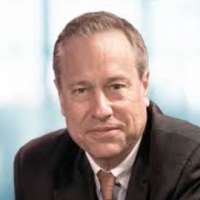
C. Michael Gibson MS, MA, MD, FRCP, FSCAI, FACC, FAHA, MSCAI
Cardiology
Boston, Massachusetts, United States of America
Connect with the speaker?
C. Michael Gibson, M.S., M.D., pioneered our understanding of the open artery and the open microvasculature hypothesis in the setting of a heart attack. As an innovator, Gibson invented measures of coronary blood flow that are widely used today (the TIMI frame count (cited 2,131 times) and the TIMI myocardial perfusion grade (cited 1,089 times). Gibson is an interventional cardiologist, cardiovascular researcher, and educator. He is the CEO of the combined non-profit Baim and PERFUSE research institutes at Harvard Medical School.
Dr. Gibson is a practicing interventional cardiologist who has held numerous leadership positions in medicine, including positions as a Coronary Care Unit Director, a Cardiac Catheterization Laboratory Director, a Chief of Cardiology, and a Vice Chairman of Medicine at a hospital of over 1,000 physicians.
Gibson has led phase 1-4 clinical trials, and cardiology megatrials of over 30,000 patients,s which have resulted in international approval of drugs like prasugrel, rivaroxaban, betrixaban, and andexanet, as well as devices such as one that alarms to alert a patient to a heart attack. He is currently leading the first large “virtual” randomized trial, which uses apps and the internet to eliminate “bricks and mortar” and is being conducted at 1% of the usual cost. The HEARTLINE trial of the Apple Watch will enroll up to 180,000 patients and is one of the largest randomized patient trials in history. Gibson and his team will be operationalizing many of the trial efforts of Milvexian, a Factor Xi inhibitor, across a variety of disease states.
For years, Gibson has been chosen as one of Boston’s Top Doctors & U.S. News & World Report also lists Gibson as one of America’s top doctors. Dr. Gibson obtained his BS, MS, and MD degrees at the University of Chicago, where he was a Phi Beta Kappa and AOA graduate and was a starting halfback. He then went on to do his internship, residency, and chief residency at the Brigham and Women’s Hospital and his cardiology fellowship at the Beth Israel Deaconess Medical Center, both at Harvard Medical School.
EVENTS & ACTIVITIES (Speaking, Spoken, and Authored)


Connect With Us


Awards & Recognitions

- 50 Division Street, Suite 501,
- Somerville, NJ 08876
- support@emedevents.com