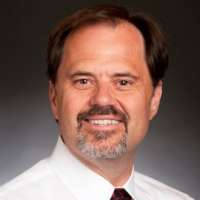
Andrew D. Hershey MD, PhD, FAAN, FAHS
Neurology
Cincinnati, Ohio, United States of America
Connect with the speaker?
Andrew D. Hershey, MD, PhD, FAHS, received his undergraduate degree at the University of Iowa, Iowa City, Iowa, where he earned a Bachelor of Science with Highest Distinction and Honors in Biochemistry; his research involved the enzyme kinetic properties of alcohol dehydrogenase in yeast. After undergraduate school, Dr. Hershey attended the MD/PhD program at Washington University, St. Louis, Missouri. His PhD research thesis was entitled: "The Rat Substance P Receptor: cDNA and Genomic Cloning, Functional Expression, mRNA Distribution, and Mutational Analysis of Desensitization Responses." This project was a study of the molecular biology and biochemistry of the rat substance P receptor in the laboratory of James E. Krause, PhD, and involved the isolation, functional expression, and mRNA distribution, and characterization of the gene, and functional activation of phosphoinositol hydrolysis and subsequent desensitization.
After earning his MD and PhD, Dr. Hershey was an intern and resident in pediatrics at St. Louis Children's Hospital, St. Louis, MO. He then was an adult neurology resident at Barnes-Jewish Hospital, St. Louis, MO, followed by his child neurology fellowship at St. Louis Children's Hospital, St. Louis, MO. After his fellowship, Dr. Hershey joined the faculty at Cincinnati Children's Hospital Medical Center, Ohio, where he became the director of the Cincinnati Children’s Headache Center. He has also served as the Associate Director of Research for the Division of Neurology and is currently the Endowed Chair of Neurology at Cincinnati Children’s Hospital Medical Center and a Professor of Pediatrics and Neurology at the University of Cincinnati, College of Medicine.
Dr. Hershey's research interests currently include the improved diagnosis and treatment of childhood headache disorders, characterization of outcome responses, studies in new pharmacological and non-pharmacological treatment regimes, and the genomics of migraines. Through a wide variety of projects, he has been NIH-funded since 2003. Currently, he is the PI (Dr. Scott Powers at CCHMC and Dr. Christopher Coffey at the University of Iowa) of an NIH-funded U01 on the comparative effectiveness of amitriptyline and topiramate in the prevention of pediatric migraine. In addition to the comparative effectiveness U01 noted above, current projects include: characterization of the changing phenotype of migraine across development, neurophysiological changes during acute and chronic migraine, including the use of magnetic encephalography and allodynia testing with quantitative sensory testing, the role of pharmaceutical and neutraceutical agents in migraine, and genomic changes during variants of acute and chronic migraine.
EVENTS & ACTIVITIES (Speaking, Spoken, and Authored)


Connect With Us


Awards & Recognitions


- 50 Division Street, Suite 501,
- Somerville, NJ 08876
- support@emedevents.com