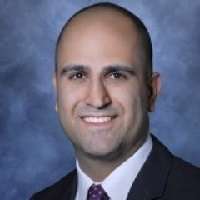
Ali Rezaie MD, MSc, FRCPC
Gastroenterology
Los Angeles, California, United States of America
Connect with the speaker?
Dr. Ali Rezaie, MD, MSc, FRCPC, is a board-certified gastroenterologist, physician-scientist, and internationally recognized expert in gastrointestinal motility disorders, the gut microbiome, and disorders of gut-brain interaction. He serves as Medical Director of the GI Motility Program, Director of Bioinformatics for the Medically Associated Science and Technology (MAST) Program, and Associate Professor of Medicine at Cedars-Sinai in Los Angeles, California.
Dr. Rezaie earned his Doctor of Medicine (MD) from Shahid Beheshti University of Medical Sciences and Health Services in Iran. He completed his Internal Medicine Residency at the University of Alberta, followed by a Gastroenterology Fellowship and a Master of Science (MSc) in Epidemiology at the University of Calgary. His advanced training has provided a strong foundation in clinical gastroenterology, epidemiology, and translational research.
Dr. Rezaie's research focuses on irritable bowel syndrome (IBS), small intestinal bacterial overgrowth (SIBO), inflammatory bowel disease (IBD), gastrointestinal motility disorders, and the gut microbiome. As an epidemiologist and bioinformatics leader, he develops large-scale clinical databases and innovative analytical approaches to identify novel therapeutic targets and improve the diagnosis and management of complex gastrointestinal diseases. His work has led to numerous peer-reviewed publications, research grants, and collaborations that have advanced the understanding of microbiome-related disorders.
In addition to his research, Dr. Rezaie is deeply committed to patient care, medical education, and innovation in gastroenterology. He mentors trainees, leads multidisciplinary research initiatives, and regularly presents at national and international scientific meetings. Through his clinical, academic, and research contributions, Dr. Rezaie continues to shape the future of neurogastroenterology and digestive health while improving outcomes for patients with complex gastrointestinal disorders.
EVENTS & ACTIVITIES (Speaking, Spoken, and Authored)


Connect With Us


Awards & Recognitions


- 50 Division Street, Suite 501,
- Somerville, NJ 08876
- support@emedevents.com