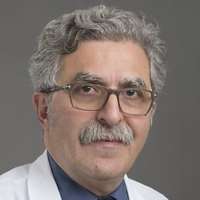
Ali Keshavarzian MD, FRCP, FACP, MACG, AGAF
Gastroenterology
Chicago, Illinois, United States of America
Connect with the speaker?
Ali Keshavarzian, MD, FRCP, FACP, MACG, AGAF, has been a practicing gastroenterologist with a specialty in managing patients with inflammatory bowel disease for over 37 years. He trained in medicine at the Tehran University Medical School in Iran and completed a residency and GI fellowship in England - at Guy’s Hospital Medical School, Hillingdon Hospital, and Hammersmith Hospital. After a year of GI research fellowship at the University of Maryland, School of Medicine in 1985, he held faculty positions at the University of Maryland, Loyola University Medical Center, and Rush University Medical Center in Chicago. He became the Chief, Section of Gastroenterology at Hines VA Hospital, Hines, IL in 1992, Director, Division of Digestive Disease and Nutrition at Loyola University Medical Center in Maywood, IL, in 1995, before coming to Rush University Medical Center in 1999.
As a clinician scientist, Keshavarzian has been studying the impact of environmental factors (stress, alcohol, sleep and circadian disruption) on intestinal barrier function host/microbe interaction that promote intestinal and systemic (gut-derived) inflammation leading to initiation and/or progression of inflammatory disorders, including inflammatory bowel disease, irritable bowel syndrome, food allergy, metabolic syndrome, alcoholic and non-alcoholic steatohepatitis and Parkinson’s disease. He has contributed to over 410 peer-reviewed published articles and book chapters with an h-index of 99. He has been doing basic science, translational, and clinical research focused on the liver and GI tract for almost three decades, and is the PI on multiple R01, R-21, RC3, and SBIR grants, collaborating with many investigators. He was one of the first investigators to report the key role of oxygen-free radicals in tissue injury in inflammatory bowel disease and alcohol-induced disruption of the intestinal barrier in alcoholic liver disease in the 1980s, and one of the first investigators to begin to focus on the role of intestinal microbiota in health and disease in alcoholism, IBD, cancer, HIV, and Parkinson's. He has been studying the effects of circadian rhythm disruption on intestinal disease since 2007 and is one of the early investigators to examine the effects of circadian disruption on the effects of alcohol and to report the negative impact of sleep and circadian disruption in IBD.
EVENTS & ACTIVITIES (Speaking, Spoken, and Authored)


Connect With Us


Awards & Recognitions


- 50 Division Street, Suite 501,
- Somerville, NJ 08876
- support@emedevents.com