8th Annual A Practical Approach to Surgical Pathology

 Hybrid Event
 Apr 08 - 10, 2022
 Las Vegas, Nevada, USA
 18 AMA PRA Category 1 Credits™
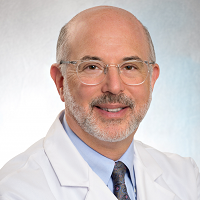
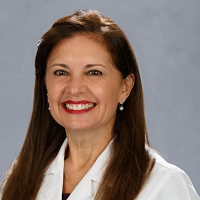
 Speakers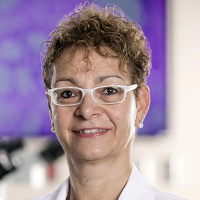



OVERVIEW
8th Annual A Practical Approach to Surgical Pathology is organized by Educational Symposia (ESI) and will be held from Apr 08 - 10, 2022 at ARIA Resort & Casino, Las Vegas, Nevada, United States of America.
Target Audience:
This CME activity is aimed especially at pathologists in practice.
Description:
This session will cover gastrointestinal, hepatobiliary, breast, head and neck, endocrine, genitourinary, soft tissue pathology, and other typical subjects faced by practicing surgical pathologists.
This course will provide a full update and overview of the most essential diagnostic aspects that pathologists use to establish correct diagnoses and helpful hints on how to avoid the most prevalent diagnostic mistakes.
A lot of discussion on how pathologists can use diagnostic immunohistochemistry, and molecular diagnostic procedures to help them make a diagnosis. There will also be enough time for all faculty members and participants to engage in an interactive conversation.
Educational Objectives:
Attendees should, after this course, be able to:
• Distinguish between the numerous well-differentiated lipomatous tumours using the most important diagnostic features.
• Discuss the primary cytological process of gastrointestinal mesenchymal tumor based on neoplastic cells' primary cytology.
• Discuss the most prevalent diagnostic entities that can be used to rule out highly cellular spindle cell tumours in the differential diagnosis.
• Explain the WHO criteria for lobular carcinoma in situ diagnosis, as well as the uses and limits of e-cadherin immunohistochemistry in evaluating in-situ breast tumours.
• Describe the recent advances in molecular mechanism of thyroid and explain to the historical and the Practical reason for the difficulty of characterization of these tumors.
• Differentiate between chronic idiopathic inflammatory bowel disease and its imitators in everyday practice.
• Examine how a tailored panel of immunohistochemical markers can help in the diagnosis of papillary lesions of the breast.
• Examine recent changes in prostate cancer grading and unfavourable pathologic characteristics, as well as how these affect reporting.
• Learn about common and uncommon renal tumours with eosinophilic cytoplasm, as well as critical morphologic and immunohistochemical characteristics that can help you distinguish between them.
• Get to know the morphologic relationship between cytopathologic findings and histopathologic features, and explore the use of supplementary molecular testing in the diagnosis of salivary gland lesions.
• Provide a description of current testing guidelines with an optimized approach for histologic and cytologic samples of suspected HPV-related squamous cell carcinoma.
• Use a fundamental framework of histologic patterns and clinical and laboratory correlations to diagnosis major medical liver diseases.
• Use diagnostic criteria for common appendiceal inflammatory neoplasms in daily practice.
• Identify the aspects of neuroendocrine neoplasia that occur throughout the body.
• Recognize the many types of steroidogenic tissues and their structural and functional characteristics..
• Discuss consider the challenges of evaluating breast lumpectomy and mastectomy tissues after neoadjuvant chemotherapy.
• Describe the histologic characteristics and clinical implications of a variety of myoepithelial and mixed epithelial-myoepithelial breast lesions.
KEY DATES

08 Apr, 2022
Event Start Date

10 Apr, 2022
Event End Date
ACCREDITATION & CREDITS

TARGET AUDIENCE
PhysicianSonographerScientistsResidentsSPECIALITIES
PathologySUGGESTED HOTELS
CONFERENCE VENUE
ARIA Resort & CasinoRELATED CONFERENCES & LIVE WEBINARS
By Utilitarian Conferences...
Feb 01 - 02, 2027 | Dubai, Dubai, UAE
Pathology
30 CME
...
...

Quick Links