Evidence Based, Practical Management of Orofacial Pain and TMD for the General Dentist. Occlusion and parafunctional control for everyday dentistry

 In-Person Event
 Oct 17 - 18, 2025
 Melbourne, Florida, USA
 14 CE Credits
 Speakers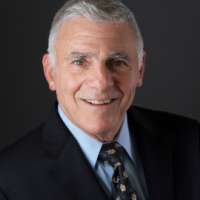
OVERVIEW
Evidence Based, Practical Management of Orofacial Pain and TMD for the General Dentist. Occlusion and parafunctional control for everyday dentistry is organized by OHI-S and will be held from Oct 17 - 18, 2025 at DoubleTree Suites by Hilton Hotel Melbourne Beach Oceanfront, Melbourne, Florida, United States of America.
Description:
Occlusion and parafunctional control for everyday dentistry! This evidence-based seminar offers a practical and effective approach to diagnosing and managing orofacial pain and temporomandibular disorders, led by Barry Glassman — a passionate educator and Diplomate of the American Academy of Dental Sleep Medicine.
You will finally discover the truth about occlusion, TMD, and orofacial pain — understanding when it matters and why!
Program details:
– Practical, evidence-based strategies for diagnosing and managing orofacial pain, TMD, and chronic pain patterns
– How to design and evaluate occlusal appliances, including the anterior midpoint stop appliance concept, avoid common side effects, and improve patient compliance
– The dentist’s critical role in treating migraines, headaches, and non-dental pain through functional diagnostics and therapy
– How to recognize and manage complex patient cases, including occlusal dysesthesia and “occlusal neurotics” without unnecessary adjustments.
This course-seminar removes the controversy, exposes the myths, and presents a reality that is both practical and evidence-based for dentists of all specialties.
It’s the ONLY occlusion course you will EVER need to take!
Note: Seminar fees include full breakfast and lunch Friday and Saturday as well as access to all relevant literature and relevant office forms. In addition there will be a pre course Zoom meeting announced, pre course literature distributed, and a post course Zoom meeting for follow up questions and case reports.
DETAILED PROGRAM
Day 1
7:00 – 8:00
Registration and full breakfast.
8:00 – 12:00
- The empirical nature of the “science of occlusion” in dentistry
- Critical evaluation of the goals of occlusion including stability
- History of occlusion in dentistry: how we got where we are?
- The treacherous path of pain management in dentistry
- The stipulation of occlusion:
• Parafunction – proposed causes
• Occlusal dysesthesia
• The occlusal neurotic
• How to check occlusion in restorative therapy.
12:00 – 13:00
Lunch
13:00 – 17:00
- The importance and techniques of history taking
- Classification of disorders
- Red flags – signs or symptoms that lead to immediate referral
- Practical anatomy and physiology
- Muscle activity in parafunction; anterior midpoint stops.
19:00
- Llight dinner and wine at Barry and Sharon’s home.
Day 2
7:00 – 8:00
Registration and full breakfast
8:00 – 12:00
- Review of day one
- Clinical examination including ligament insertion palpations
- The truth about muscle palpation
- Intracapsular disorders – case presentation of disk displacement with reduction
- Physiology and myths of anterior midpoint stop appliances
- Diagnosis and treatment of ligament insertion injuries
- Temporomandibular joint disorders reviewed and a new look at “TMD”;
12:00 – 13:00
Lunch
13:00 – 17:00
- Review of the model of diagnosis and conservative diagnostic therapy
- Migraine: physiology, diagnosis, and the dental role in treatment
- Pharmacology: most common supportive agents
- Case presentations and discussion
- Degenerative joint disease
- Referred otalgia
- Migraine
- Cervicogenic headache
- Therapeutic protocol of anterior midpoint stop appliance therapy
- Summary and course wrap-up.
Skills I will learn in the course:
Functional Dentistry
Treatment methods
- Craniomandibular treatment
- Mandibular reposition
- Pathologies
- TMJ dysfunction
- Muscle disorders
General questions
- Evidence-based gnatology
- MRI
Prosthodontics
Treatment methods
- Aesthetic rehabilitation
Pathologies
- Tooth worn
General questions
- Diagnostics in prosthetics
- Digital prosthetics
KEY DATES

17 Oct, 2025
Event Start Date

18 Oct, 2025
Event End Date
ACCREDITATION & CREDITS

TARGET AUDIENCE
DentistProsthodontistsFunctional DentistsSPECIALITIES
DentistsDentistrySUGGESTED HOTELS
CONFERENCE VENUE
DoubleTree Suites by Hilton Hotel Melbourne Beach OceanfrontRELATED CONFERENCES & LIVE WEBINARS
Nov 29 - 30, 2026 | Tokyo, Kanto, JP
Aesthetic Medicine
12 CE Credits

By Utilitarian Conferences...
Feb 04 - 05, 2027 | Kuala Lumpur, ...
Dentistry
30 CME
...
...
Quick Links