IBDH Annual Nursing Conference

 In-Person Event
 Apr 28, 2018
 Seattle, Washington, USA
Speakers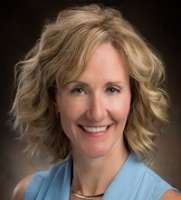



OVERVIEW
IBDH Annual Nursing Conference is organized by IBDHorizons and will be held on Apr 28, 2018 at Bell Harbor International Conference Center, Seattle, Washington, United States of America.
The target audience for this medical event is 200 Adult and pediatric Nurse practitioners, physician assistants, registered nurses, medical assistants and pharmacists involved in providing care for IBD patients. This CME Conference has been approved for a maximum of 6.00 AMA PRA Category 1 Credits.
Course Topics :
• Diagnostic Testing for IBD and risk stratification
• Starting, monitoring and potential side effects of Mesalamine and immune modulators.
• Beyond Conventional Therapy in IBD
• How to obtain a biologic for a patient
• Travel abroad for the patient with IBD
• The expanding role of a pharmacist in treating the IBD patient
• Diet and IBD – What really matters about diet and nutrition for IBD patients
• Health maintenance for IBD patients Ostomies.
Conference Objectives are :
• Explain which diagnostic tests are best for the initial diagnosis of IBD.
• Explain how to interpret diagnostic testing when evaluating a patient for IBD.
• Appropriately choose the patients in whom to initiate, how to initiate, how to monitor and potential side effects of mesalamine, thiopurines and methotrexate in IBD.
• Describe the safety and efficacy of available biologics.
• Choose which biologic is appropriate for any given IBD patient.
• Explain the implications of the availability of biosimilars.
• Describe how to navigate the insurance approval for a biologic, including utilizing co-pay assistance or patient assistance programs.
• Explain how to take specific precautions for patients with IBD travelling abroad, including how to travel with a biologic medication.
• Explain a pharmacist’s role in treating and monitoring patients with IBD.
• Explain the standard of care for health maintenance for IBD patients with special considerations including cancer screening and immunizations for those on immune suppressive or biologic therapies.
• Describe the types of ostomies IBD patients might have and how to manage ostomies or complications.
Additional details will be posted as soon as they are available.
The target audience for this medical event is 200 Adult and pediatric Nurse practitioners, physician assistants, registered nurses, medical assistants and pharmacists involved in providing care for IBD patients. This CME Conference has been approved for a maximum of 6.00 AMA PRA Category 1 Credits.
Course Topics :
• Diagnostic Testing for IBD and risk stratification
• Starting, monitoring and potential side effects of Mesalamine and immune modulators.
• Beyond Conventional Therapy in IBD
• How to obtain a biologic for a patient
• Travel abroad for the patient with IBD
• The expanding role of a pharmacist in treating the IBD patient
• Diet and IBD – What really matters about diet and nutrition for IBD patients
• Health maintenance for IBD patients Ostomies.
Conference Objectives are :
• Explain which diagnostic tests are best for the initial diagnosis of IBD.
• Explain how to interpret diagnostic testing when evaluating a patient for IBD.
• Appropriately choose the patients in whom to initiate, how to initiate, how to monitor and potential side effects of mesalamine, thiopurines and methotrexate in IBD.
• Describe the safety and efficacy of available biologics.
• Choose which biologic is appropriate for any given IBD patient.
• Explain the implications of the availability of biosimilars.
• Describe how to navigate the insurance approval for a biologic, including utilizing co-pay assistance or patient assistance programs.
• Explain how to take specific precautions for patients with IBD travelling abroad, including how to travel with a biologic medication.
• Explain a pharmacist’s role in treating and monitoring patients with IBD.
• Explain the standard of care for health maintenance for IBD patients with special considerations including cancer screening and immunizations for those on immune suppressive or biologic therapies.
• Describe the types of ostomies IBD patients might have and how to manage ostomies or complications.
Additional details will be posted as soon as they are available.
KEY DATES

28 Apr, 2018
Event Start Date

28 Apr, 2018
Event End Date
SPECIALITIES
NursingSUGGESTED HOTELS
CONFERENCE VENUE
Bell Harbor International Conference CenterRELATED CONFERENCES & LIVE WEBINARS
By Utilitarian Conferences...
Dec 08 - 09, 2026 | Kuala Lumpur, ...
Nursing
30 CME Hours
...
...

Quick Links