20th Annual Wound Management Conference

 In-Person Event
 Nov 15 - 16, 2018
 Lynnwood, Washington, USA
Speakers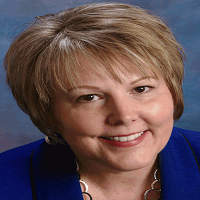
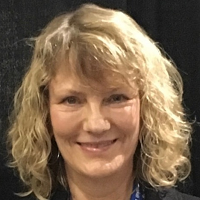


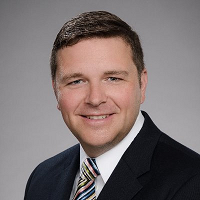
OVERVIEW
20th Annual Wound Management Conference is organized by University of Washington Continuing Nursing Education (UWCNE) and will be held from Nov 15 - 16, 2018 at Lynnwood Convention Center, Lynnwood, Washington, United States of America.
The target audience for this medical event is nurses, nurse practitioners and other interested healthcare professionals in all settings including acute, ambulatory, home health, hospice, long-term, rehabilitation and transitional care. This CME Conference has been approved for a maximum of 14.00 Contact hours.
Course Description :
Wound management is a dynamic and evolving area of practice in health care today. Wounds present complex challenges and pivotal opportunities for multidisciplinary teams to collaborate and improve the health status of patients. This conference addresses current scientific, clinical and professional practice issues across care settings related to acute and chronic wounds, including evidence-based and multidisciplinary strategies for assessing and intervening to achieve successful outcomes. Speakers will assume that participants have a basic understanding of wound management principles. Presentations will update the professional with recent changes to practice. Teaching methods include lecture, discussion and case studies.
Conference Objectives are : -
At the conclusion of this activity, participants will be better able to:
• Describe at least 2 ways to improve wound care.
• Review the role of nutrition support in wound healing.
• Describe the risk factors and epidemiology.
• Discuss the principles of wound care for smaller burns.
• Have an increased understanding of current pressure injury topics including ICD10 coding, evolution, and staging.
• Discuss pathophysiology of radiation induced skin injury.
• Name one way that renal disease negatively impacts wound healing.
• Discuss how to classify topical steroids by potency.
• Define both vasculitis and vasculopathy.
• Identify surgical treatment options for patients with diabetic foot deformities and ulcerations.
• Identify offloading techniques for prevention and management of diabetic foot ulcers.
• Discuss possible alternative diagnosis to arterial and venous ulcers.
Additional details will be posted as soon as they are available.
The target audience for this medical event is nurses, nurse practitioners and other interested healthcare professionals in all settings including acute, ambulatory, home health, hospice, long-term, rehabilitation and transitional care. This CME Conference has been approved for a maximum of 14.00 Contact hours.
Course Description :
Wound management is a dynamic and evolving area of practice in health care today. Wounds present complex challenges and pivotal opportunities for multidisciplinary teams to collaborate and improve the health status of patients. This conference addresses current scientific, clinical and professional practice issues across care settings related to acute and chronic wounds, including evidence-based and multidisciplinary strategies for assessing and intervening to achieve successful outcomes. Speakers will assume that participants have a basic understanding of wound management principles. Presentations will update the professional with recent changes to practice. Teaching methods include lecture, discussion and case studies.
Conference Objectives are : -
At the conclusion of this activity, participants will be better able to:
• Describe at least 2 ways to improve wound care.
• Review the role of nutrition support in wound healing.
• Describe the risk factors and epidemiology.
• Discuss the principles of wound care for smaller burns.
• Have an increased understanding of current pressure injury topics including ICD10 coding, evolution, and staging.
• Discuss pathophysiology of radiation induced skin injury.
• Name one way that renal disease negatively impacts wound healing.
• Discuss how to classify topical steroids by potency.
• Define both vasculitis and vasculopathy.
• Identify surgical treatment options for patients with diabetic foot deformities and ulcerations.
• Identify offloading techniques for prevention and management of diabetic foot ulcers.
• Discuss possible alternative diagnosis to arterial and venous ulcers.
Additional details will be posted as soon as they are available.
KEY DATES

15 Nov, 2018
Event Start Date

16 Nov, 2018
Event End Date
SPECIALITIES
NursingSUGGESTED HOTELS
CONFERENCE VENUE
Lynnwood Convention CenterRELATED CONFERENCES & LIVE WEBINARS
By Utilitarian Conferences...
Dec 08 - 09, 2026 | Kuala Lumpur, ...
Nursing
30 CME Hours
...
...

Quick Links