11th Annual University of California, Los Angeles (UCLA) Sleep Medicine Course



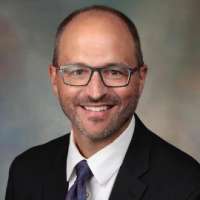
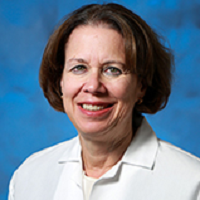
Speakers
OVERVIEW
11th Annual University of California, Los Angeles (UCLA) Sleep Medicine Course is organized by David Geffen School of Medicine at University of California, Los Angeles (UCLA) and will be held on Jan 27, 2018 at Neuroscience Research Building, Los Angeles, California, United States of America.
The target audience for this medical event is clinicians and health care providers who regularly encounter patients with sleep complaints. The course is particularly useful to primary care physicians, internists, family physicians, psychiatrists, neurologists, psychologists, pediatricians, geriatricians, obstetricians and gynecologists, physician assistants, nurse practitioners and any other health care providers who are likely to encounter patients with sleep disturbances. Trainees in the primary care disciplines, family medicine, neurology, psychiatry and sleep medicine will also find the course helpful. This CME Conference has been approved for a maximum of 4.25 AMA PRA Category 1 Credits TM.
Course Description :
Physicians in all areas of medicine encounter patients who complain of disturbed sleep. The purpose of this course, the 11th in its series, is to provide clinicians with the knowledge needed to recognize and treat major sleep disorders likely to be encountered in their clinical practice.
The course emphasizes a practical based approach to sleep medicine across multiple specialties including primary care medicine, family practice, psychiatry, pediatrics, neurology, geriatrics and clinical psychology. The course will focus on the theories about why we sleep, review the major sleep disorders including chronic insomnia, excessive sleepiness and narcolepsy, parasomnias, and abnormal behaviors at night while highlighting the physiologic basis for sleep and wakefulness.
Conference objectives are:
At the completion of this course, participants should be able to:
• Recognize the recent evolutionary theories about why we sleep.
• Appreciate the causes of excessive sleepiness and insomnia in specific patient populations most likely to be encountered in primary care practice as well as by specialists in primary care practice, psychiatry, neurology, and geriatrics medicine.
• Understand the pharmacological and behavioral management of insomnia, narcolepsy, parasomnias, and movement disturbance during sleep.
• Recognize the mechanism of insomnia and its comorbidities with medical and psychiatric complaints.
• Formulate a practical approach for management of the major sleep disorders in adults including insomnia and abnormal motor activity during sleep, including restless legs syndrome.
• Comprehend the underlying physiologic basis giving rise to sleep and wakefulness.
• Manage excessive sleepiness in the setting of narcolepsy.
The target audience for this medical event is clinicians and health care providers who regularly encounter patients with sleep complaints. The course is particularly useful to primary care physicians, internists, family physicians, psychiatrists, neurologists, psychologists, pediatricians, geriatricians, obstetricians and gynecologists, physician assistants, nurse practitioners and any other health care providers who are likely to encounter patients with sleep disturbances. Trainees in the primary care disciplines, family medicine, neurology, psychiatry and sleep medicine will also find the course helpful. This CME Conference has been approved for a maximum of 4.25 AMA PRA Category 1 Credits TM.
Course Description :
Physicians in all areas of medicine encounter patients who complain of disturbed sleep. The purpose of this course, the 11th in its series, is to provide clinicians with the knowledge needed to recognize and treat major sleep disorders likely to be encountered in their clinical practice.
The course emphasizes a practical based approach to sleep medicine across multiple specialties including primary care medicine, family practice, psychiatry, pediatrics, neurology, geriatrics and clinical psychology. The course will focus on the theories about why we sleep, review the major sleep disorders including chronic insomnia, excessive sleepiness and narcolepsy, parasomnias, and abnormal behaviors at night while highlighting the physiologic basis for sleep and wakefulness.
Conference objectives are:
At the completion of this course, participants should be able to:
• Recognize the recent evolutionary theories about why we sleep.
• Appreciate the causes of excessive sleepiness and insomnia in specific patient populations most likely to be encountered in primary care practice as well as by specialists in primary care practice, psychiatry, neurology, and geriatrics medicine.
• Understand the pharmacological and behavioral management of insomnia, narcolepsy, parasomnias, and movement disturbance during sleep.
• Recognize the mechanism of insomnia and its comorbidities with medical and psychiatric complaints.
• Formulate a practical approach for management of the major sleep disorders in adults including insomnia and abnormal motor activity during sleep, including restless legs syndrome.
• Comprehend the underlying physiologic basis giving rise to sleep and wakefulness.
• Manage excessive sleepiness in the setting of narcolepsy.
KEY DATES

27 Jan, 2018
Event Start Date

27 Jan, 2018
Event End Date
SPECIALITIES
Sleep MedicineSUGGESTED HOTELS
CONFERENCE VENUE
 Neuroscience Research Building
Quick Links