Cancer Rehab - Bridging the Gap Between Medical Prognosis and Physical Realities (Nov 18 - 19, 2017)



Speakers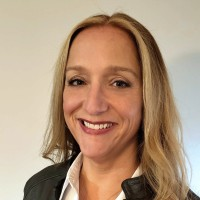
OVERVIEW
Cancer Rehab - Bridging the Gap Between Medical Prognosis and Physical Realities is organized by Health Click and would be held during Nov 18 - 19, 2017 at UHS-Summerlin Hospital, Las Vegas, Nevada, United States of America. The target audience for this medical event is basically for Oncologists. This CME conference has been approved with 16 credits.
This course will be placed on learning the medical and surgical management for the following cancers: breast, prostate, gynecological, head and neck, colorectal and melanomas. Most importantly, the therapist will learn how and when he/she can most effectively intervene during the continuum of cancer care to treat side effects encountered from post-surgical and post-radiation treatments. This course will expand on the therapists’ knowledge of the tissue healing and disease processes and of the lymphatic system. This will provide the needed understanding of how these processes/systems are affected from a surgical, chemotherapy, and/or radiation treatment approach. Extensive lab time will be devoted to perfecting and applying manual therapy skills to the cancer patient which include muscle energy technique, soft tissue and joint mobilization, strain-counterstrain and other pain and edema reducing manual techniques. The therapist will also be able to develop and implement effective treatment protocols for post-surgical patients (with or without lymph node dissection), post-radiation patients, and reconstructive surgical patients upon completion of this course. This course will allow for the therapist to become a knowledgeable and active participant of the Oncology Team at his/her work facility.
Course Objectives :
• Describe the underlying mechanisms of carcinogenesis, the current medical and surgical management for the treatment of cancers and their associated side-effects.
• Describe the relationship between cancer treatments and tissue healing and how comorbidities impact patients with cancer.
• Identify histologic presentation, staging and grading of cancer in order to understand the therapeutic intent of oncologic management.
• Identify cancer diagnoses that would benefit from a PT or OT’s intervention and where in the continuum of cancer care therapists can most effectively intervene.
• Perform specialized manual therapy skills and incorporate them with existing orthopedic skill sets to decrease pain and edema, and increase motion in post-surgical and post-radiation cancer patients.
• Design functional goals and appropriate plans of care for the following cancer diagnoses: breast, head and neck, gynecological, urological, prostate, and leukemias and lymphomas.
• Design a “whole body approach” when developing and implementing strategies for treating a cancer patient by understanding the effects of cancer on the lymphatic, musculo-skeletal, nervous, and vascular systems.
• Discuss the specialized services you can offer for the cancer patient and the vital role you contribute to the Oncology Multi-Disciplinary Team.
This course will be placed on learning the medical and surgical management for the following cancers: breast, prostate, gynecological, head and neck, colorectal and melanomas. Most importantly, the therapist will learn how and when he/she can most effectively intervene during the continuum of cancer care to treat side effects encountered from post-surgical and post-radiation treatments. This course will expand on the therapists’ knowledge of the tissue healing and disease processes and of the lymphatic system. This will provide the needed understanding of how these processes/systems are affected from a surgical, chemotherapy, and/or radiation treatment approach. Extensive lab time will be devoted to perfecting and applying manual therapy skills to the cancer patient which include muscle energy technique, soft tissue and joint mobilization, strain-counterstrain and other pain and edema reducing manual techniques. The therapist will also be able to develop and implement effective treatment protocols for post-surgical patients (with or without lymph node dissection), post-radiation patients, and reconstructive surgical patients upon completion of this course. This course will allow for the therapist to become a knowledgeable and active participant of the Oncology Team at his/her work facility.
Course Objectives :
• Describe the underlying mechanisms of carcinogenesis, the current medical and surgical management for the treatment of cancers and their associated side-effects.
• Describe the relationship between cancer treatments and tissue healing and how comorbidities impact patients with cancer.
• Identify histologic presentation, staging and grading of cancer in order to understand the therapeutic intent of oncologic management.
• Identify cancer diagnoses that would benefit from a PT or OT’s intervention and where in the continuum of cancer care therapists can most effectively intervene.
• Perform specialized manual therapy skills and incorporate them with existing orthopedic skill sets to decrease pain and edema, and increase motion in post-surgical and post-radiation cancer patients.
• Design functional goals and appropriate plans of care for the following cancer diagnoses: breast, head and neck, gynecological, urological, prostate, and leukemias and lymphomas.
• Design a “whole body approach” when developing and implementing strategies for treating a cancer patient by understanding the effects of cancer on the lymphatic, musculo-skeletal, nervous, and vascular systems.
• Discuss the specialized services you can offer for the cancer patient and the vital role you contribute to the Oncology Multi-Disciplinary Team.
KEY DATES

18 Nov, 2017
Event Start Date

19 Nov, 2017
Event End Date
SPECIALITIES
OncologySUGGESTED HOTELS
CONFERENCE VENUE
 UHS-Summerlin Hospital
RELATED CONFERENCES & LIVE WEBINARS
By Utilitarian Conferences...
Feb 01 - 02, 2027 | Dubai, Dubai, UAE
Oncology
30 CME
...
...

By United Research Forum (URF)
Oct 29 - 30, 2026 | Orlando, Florida, USA
Oncology
Quick Links