Precision and Semi-Precision Attachment Ultimate Course: All You Wanted To Know About Attachment Dentistry But Were Afraid to Ask!

 In-Person Event
 Feb 13, 2016
 Gainesville, Florida, USA
Speakers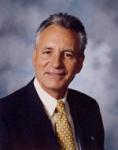
OVERVIEW
This course covers all aspects of attachment dentistry in detail and takes the mystery out of treatment planning segmented fixed bridges, removable partial dentures, overdentures on natural teeth or implants.
Attachment dentistry provides superior cosmetic and functional alternatives to the traditional cast partial denture with clasps. Attachments are simply rigid or resilient connectors that redirect the forces of occlusion. They are stress attenuators and absorbers. Their function is to preserve soft tissue and bone as well as provide retention, correction of angular discrepancies and cosmetic alternatives.
This all day program emphasizes the rationale for using precision and semi-precision attachments in the treatment planning of fixed and removable partial dentures, overdentures and implants. Each of these prosthetic options is discussed in detail, especially implants which require special treatment planning considerations. The role of the restorative dentist is clarified as the one who initiates treatment planning the amount of implants that will insure success through the use of study models, wax bites, occlusal set ups and surgical stents. A clear understanding of what needs to be achieved must be established first by the restorative dentist and communicated to the surgeon and to the patient.
Implants must be placed where they can be successfully restored and not just where available bone is. Greater understanding of these disciplines will lead to greater practice utilization and incorporation of dental attachments in our practices. Various types of coronal and radicular resilient and non-resilient attachments are discussed including bars joints and bar units, studs and magnets. A logical approach to the treatment planning of attachment dentistry is presented which insures long term success and patient satisfaction.
Clinical cases are reviewed and participants will gather knowledge, excitement and confidence enabling them to utilize attachments in their daily practice immediately. Participants are encouraged to bring questions which will be discussed throughout the presentation as well as any of their past experiences with dental attachments.
Toward the end of the session, attendees will break up into smaller groups and participate in treatment planning specific cases handed out.
Attachment dentistry provides superior cosmetic and functional alternatives to the traditional cast partial denture with clasps. Attachments are simply rigid or resilient connectors that redirect the forces of occlusion. They are stress attenuators and absorbers. Their function is to preserve soft tissue and bone as well as provide retention, correction of angular discrepancies and cosmetic alternatives.
This all day program emphasizes the rationale for using precision and semi-precision attachments in the treatment planning of fixed and removable partial dentures, overdentures and implants. Each of these prosthetic options is discussed in detail, especially implants which require special treatment planning considerations. The role of the restorative dentist is clarified as the one who initiates treatment planning the amount of implants that will insure success through the use of study models, wax bites, occlusal set ups and surgical stents. A clear understanding of what needs to be achieved must be established first by the restorative dentist and communicated to the surgeon and to the patient.
Implants must be placed where they can be successfully restored and not just where available bone is. Greater understanding of these disciplines will lead to greater practice utilization and incorporation of dental attachments in our practices. Various types of coronal and radicular resilient and non-resilient attachments are discussed including bars joints and bar units, studs and magnets. A logical approach to the treatment planning of attachment dentistry is presented which insures long term success and patient satisfaction.
Clinical cases are reviewed and participants will gather knowledge, excitement and confidence enabling them to utilize attachments in their daily practice immediately. Participants are encouraged to bring questions which will be discussed throughout the presentation as well as any of their past experiences with dental attachments.
Toward the end of the session, attendees will break up into smaller groups and participate in treatment planning specific cases handed out.
KEY DATES

13 Feb, 2016
Event Start Date

13 Feb, 2016
Event End Date
SPECIALITIES
DentistrySUGGESTED HOTELS
CONFERENCE VENUE
University Of Florida College Of DentistryRELATED CONFERENCES & LIVE WEBINARS
Nov 29 - 30, 2026 | Tokyo, Kanto, JP
Aesthetic Medicine
12 CE Credits

By Utilitarian Conferences...
Feb 04 - 05, 2027 | Kuala Lumpur, ...
Dentistry
30 CME
...
...
Quick Links