Derivation and Culture of Human Induced Pluripotent Stem Cells (hiPSCs)

 In-Person Event
 Dec 12 - 15, 2016
 Cambridge, United Kingdom, GB
Speakers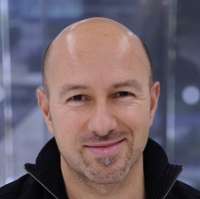


OVERVIEW
Established in 2015 in collaboration with the UK Stem Cell Bank, this residential course includes lecture, discussion and practical laboratory sessions covering the following topics:
- Good Cell Culture Practice (GCCP) and aseptic processing
- Approaches for reprogramming of somatic cells (reprogramming methodologies - virus and episomal; somatic cell types - skin fibroblasts and PBMCs)
- Cryopreservation and recovery
- Passaging
- Quality control (identity, karyology, mycoplasma, sterility, cell markers)
- Pluripotency testing
Learning Outcomes :
After attending this course, participants should be able to:
- Recognise key principles of GCCP and aseptic processing including the role of antibiotics
- Assess and identify key advantages, disadvantages and critical elements of different approaches to somatic cell reprogramming
- Assess and identify undifferentiated, fully reprogrammed iPSCs compared to partially reprogrammed iPSC colonies
- Recognise critical aspects for successful preservation and storage
- Evaluate the recovery of iPSCs and identify viable cells
- Identify undifferentiated morphology of confluent iPSCs ready for passaging
- Identify and troubleshoot critical aspects in the passaging and maintenance of undifferentiated iPSCs
- Recognise the importance of core QC and potential consequences of failing to carry it out
- Evaluate different capabilities of each method of determining potential pluripotency.
Price:
registration fee and board and lodging for non-commercial applicants: GBP 435
Speakers: Lead Instructors: Professor Glyn Stacey UK Stem Cell Bank (The National Institute for Biological Standards and Control (NIBSC), UK), Dr Minal Patel (Wellcome Trust Sanger Institute, UK).
- Good Cell Culture Practice (GCCP) and aseptic processing
- Approaches for reprogramming of somatic cells (reprogramming methodologies - virus and episomal; somatic cell types - skin fibroblasts and PBMCs)
- Cryopreservation and recovery
- Passaging
- Quality control (identity, karyology, mycoplasma, sterility, cell markers)
- Pluripotency testing
Learning Outcomes :
After attending this course, participants should be able to:
- Recognise key principles of GCCP and aseptic processing including the role of antibiotics
- Assess and identify key advantages, disadvantages and critical elements of different approaches to somatic cell reprogramming
- Assess and identify undifferentiated, fully reprogrammed iPSCs compared to partially reprogrammed iPSC colonies
- Recognise critical aspects for successful preservation and storage
- Evaluate the recovery of iPSCs and identify viable cells
- Identify undifferentiated morphology of confluent iPSCs ready for passaging
- Identify and troubleshoot critical aspects in the passaging and maintenance of undifferentiated iPSCs
- Recognise the importance of core QC and potential consequences of failing to carry it out
- Evaluate different capabilities of each method of determining potential pluripotency.
Price:
registration fee and board and lodging for non-commercial applicants: GBP 435
Speakers: Lead Instructors: Professor Glyn Stacey UK Stem Cell Bank (The National Institute for Biological Standards and Control (NIBSC), UK), Dr Minal Patel (Wellcome Trust Sanger Institute, UK).
KEY DATES

12 Dec, 2016
Event Start Date

15 Dec, 2016
Event End Date
SPECIALITIES
Health InformaticsSUGGESTED HOTELS
CONFERENCE VENUE
Wellcome Genome CampusQuick Links