Pathology of the Lung, Pleura, Mediastinum, and Heart/Liver/Lung/Transplantation - webinar

 Webcast
 14.75 CME/SAMs
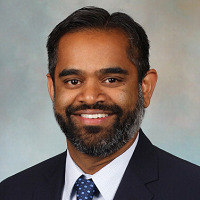
 Faculty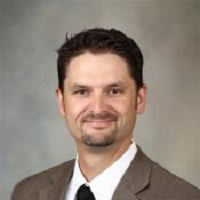



OVERVIEW
Pathology of the Lung, Pleura, Mediastinum, and Heart/Liver/Lung/Transplantation is organized by United States and Canadian Academy of Pathology (USCAP).
Dates:
Original release date: April 18, 2018
Access to this course expires on:? February 22, 2021, at 11:59 PM Pacific Time
Accreditation:
Continuing Medical Education and Continuing Certification
The United States and Canadian Academy of Pathology is accredited by the Accreditation Council for Continuing Medical Education (ACCME) to provide continuing medical education for physicians.
The United States and Canadian Academy of Pathology designates this enduring material for a maximum of 14.75 AMA PRA Category 1 Credits™. Physicians should claim only the credit commensurate with the extent of their participation in the activity.
The USCAP is approved by the American Board of Pathology (ABP) to offer Self-Assessment credits (SAMs) for the purpose of meeting the ABP requirements for Continuous Certification (CC). Registrants must take and pass the post-test in order to claim SAMs credit. Physicians can earn a maximum of 14.75 SAM credit hours.
Course Description:
Many pathologists are unfamiliar with a variety of entities in lung, pleural, mediastinal and transplant pathology. The potential for diagnostic error in these areas relates to inexperience from restricted exposure or caseload. Drs. Tazelaar and Churg’s interactive microscopy course with an expert faculty is designed to close this practice gap by providing a comprehensive but detailed look at fibrosing interstitial pneumonias, pulmonary vasculitis, and some forms of pulmonary infection; benign and malignant mesotheliomas; thymomas and other mediastinal lesions; pulmonary tumors using cytology; and lung/heart/liver transplant rejection and their mimics. The simulated sign-out format confers a mentoring opportunity for interactive learning, promoting dialogue and exchange of criteria, common challenges, and differential diagnoses. The ultimate goal is the optimization of patient outcomes.
Learning Objectives:
Upon completion of this educational activity, learners will be able to:
• To recognize various histologic patterns that mimic interstitial lung disease.
• Recognize the radiologic and histologic features of malignant mesotheliomas
• Recognize morphologic findings and clinical features of thymomas.
• Contrast the histologic features required to make a diagnosis of acute cellular rejection and antibody-mediated rejection in liver allograft biopsies.
• To recognize, at the cytologic level, pertinent features to enable accurate diagnoses with minimal material.
ACCREDITATION & CREDITS

SPECIALITIES
CardiologyPulmonary MedicinePathologyHepatologyRELATED ONLINE COURSES
By Global Integrative Medicine...
Webcast
Nutrition

Aug 05, 2026 - Aug 04, 2027 | Webcast
Nephrology
1.25 AMA PRA Category 1 Credits™
...
...
Quick Links